
When choosing an area rug on carpet, various factors come into play. Research indicates that over 25% of homeowners prefer layering rugs. This trend highlights the beauty and practicality of combining textures. Area rugs can enhance a room’s aesthetic, providing warmth and comfort.
Experts suggest that the right rug can also improve acoustics. Wall-to-wall carpeting absorbs sound, but area rugs on carpet add a softer touch. According to an industry report, about 35% of buyers consider durability crucial. Selecting the right material impacts longevity and maintenance.
However, mistakes can happen. One common error is choosing the wrong size. An ill-fitting rug can disrupt the visual flow of a space. It’s essential to reflect on your choices and evaluate how an area rug on carpet can complement your home. Balancing aesthetics with functionality is key to achieving a harmonious design.
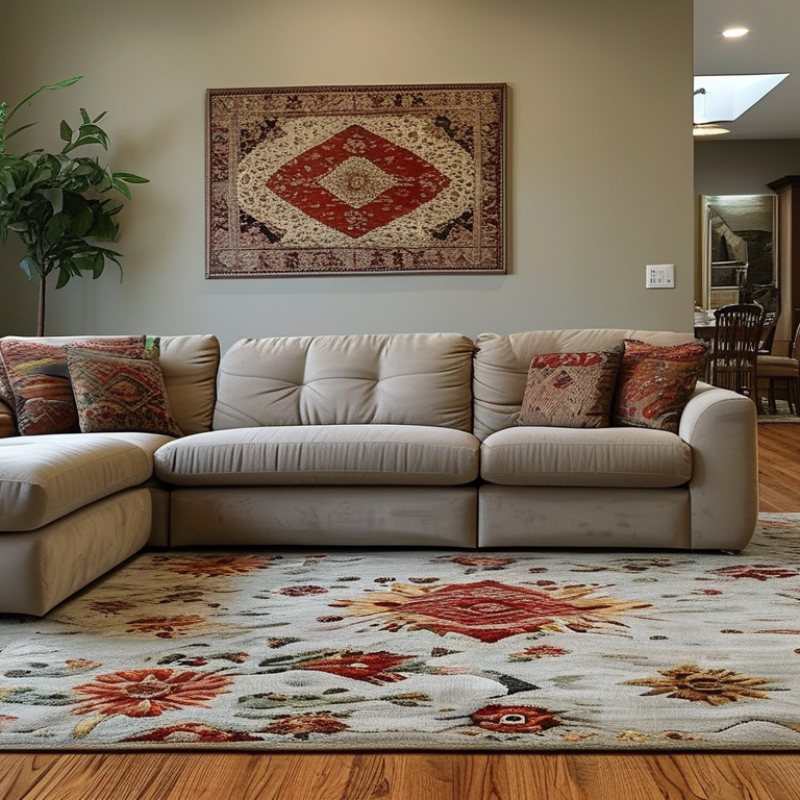
Choosing an area rug for carpeted floors requires careful consideration. The texture of the carpet plays a significant role. A thick, plush carpet may require a flat-weave rug to avoid an overwhelming feel. In contrast, a low-pile carpet can pair nicely with a shaggy area rug. Color coordination is also essential. Rugs should complement or contrast with the carpet's hue, creating an inviting atmosphere.
Think about functionality too. If high traffic occurs, durable materials are key. Natural fibers like wool or jute offer durability and aesthetic appeal. A non-slip pad beneath the rug is crucial to enhance safety. It prevents unwanted movement, especially in busy areas.
It’s important to reflect on personal style. What vibe do you want to create? Warm and cozy? Or modern and sleek? Visiting stores can help visualize options. However, online shopping offers convenience. Image presentations can sometimes mislead. Measuring your space before making a purchase can prevent costly mistakes.
When selecting area rugs for carpeted spaces, understanding material types is crucial. Different materials affect durability, maintenance, and comfort. For instance, wool is a popular choice due to its softness and natural stain resistance. According to the American Society for Testing and Materials, wool rugs can last a lifetime with proper care. However, they may not perform well in high-traffic areas due to pilling.
Synthetic fibers like nylon and polypropylene offer durability and are often more affordable. Reports indicate that these materials can resist fading and moisture. This makes them suitable for homes with pets or children. However, they may lack the luxurious feel of natural fibers, leading to discomfort over prolonged use.
Natural fibers such as jute and sisal provide unique textures but have limitations. They are not as stain-resistant and can absorb moisture. This increases the risk of mold and odor. Buyers should weigh these factors based on their lifestyles. Each material has benefits and drawbacks. Understanding these nuances can help consumers make informed decisions in finding the right area rug for their needs.
When choosing area rugs for carpeted spaces, size and shape play pivotal roles in achieving harmony. A properly sized rug should anchor your furniture while allowing enough room to make movement easy. For living rooms, consider large rectangular rugs. They can fit under sofas and coffee tables, creating a welcoming atmosphere. A too-small rug can make a space feel disjointed, while an oversized rug might overwhelm the room.
Shape is equally important. Round rugs can soften angles in a square space. They also encourage conversation, drawing people inward. However, choosing a shape requires thought. For instance, avoid placing a round rug under a rectangular table, as it can feel awkward. Additionally, consider the pattern and color. A bold area rug can serve as a focal point, but it can also clash with your carpet if not carefully chosen.
Reflecting on these details often brings clarity. Many overlook the importance of these basics, leading to regret later. Realizing that a rug should complement rather than compete with your carpet is key. This approach not only ensures aesthetics but also enhances comfort underfoot.
When placing area rugs on carpet, maintenance becomes key. Regular vacuuming is essential. Use a vacuum without a beater bar to avoid damaging the rug fibers. Ensure to clean both the rug and the carpet underneath to prevent dirt buildup.
Spot cleaning is crucial for spills. Use a soft cloth and mild detergent. Blot, don’t rub; rubbing can push stains deeper. For larger stains, consider professional cleaning. Always test cleaning products on a small area first. It’s an easy step that can save a lot of trouble later.
Humidity can cause issues. Rugs may shift underfoot. Use rug grippers or double-sided tape. However, remember to check frequently. Adhesives can damage rugs or carpets. Keeping an eye out will help maintain both surfaces.
| Tip Category | Tip Description | Frequency | Best Practices |
|---|---|---|---|
| Maintenance | Vacuum regularly to prevent dirt accumulation. | Weekly | Use a vacuum without a beater bar to protect the rug fibers. |
| Cleaning | Spot clean stains immediately with mild detergent. | As needed | Blot the stain; do not rub. |
| Protection | Use rug pads to prevent slipping and to protect carpet. | Whenever placed | Choose pads breathable and suitable for carpet. |
| Rotation | Rotate the rug periodically to ensure even wear. | Every 6 - 12 months | Mark a note on your calendar for reminders. |
| Deep Cleaning | Consider professional cleaning for deep stains. | Annually | Research local cleaners specializing in area rugs. |
Choosing the right area rug to complement your carpet involves understanding design trends and color schemes. Neutral tones like beige, gray, or cream can create a harmonious look. They blend well with various carpet styles and colors, allowing for versatility in any room. Consider textures too. A plush or shaggy rug can add warmth and comfort, making a cozy space for relaxation.
Bold colors can also make a statement. Rich jewel tones like emerald green or deep blue can elevate a room's aesthetic. When selecting patterns, think about the existing carpet design. A geometric pattern on the rug may clash with a floral carpet, leading to visual dissonance. Aim for balance by choosing complementary patterns.
Be mindful of the rug size. An oversized rug can dominate the space, while a small one may get lost. It’s crucial to allow at least 18 inches of exposed carpet around the edges. This ensures a polished look and helps delineate the area. Experimentation is key. You might discover what works best through trial and error, refining your choices as you go.
: Common materials include wool, nylon, polypropylene, jute, and sisal. Each has unique properties.
Wool rugs can last a lifetime with proper care. However, they may pill in high-traffic areas.
Synthetic fibers are affordable and durable. They resist fading and moisture, making them good for active households.
Natural fibers like jute and sisal may absorb moisture, leading to mold. They aren't ideal for pet owners.
Color schemes are crucial. Neutral tones fit various carpet styles, while bold colors can elevate aesthetics.
Yes, size matters. Allow at least 18 inches of exposed carpet for a balanced, polished look.
Yes, patterns can clash. Aim for complementary designs to create a harmonious visual effect.
Experimenting with different styles and materials can help. Don’t be afraid to try and refine your choices.
When selecting the best area rug on carpet, it is crucial to consider various factors to enhance both function and aesthetics in your space. Start by choosing the right type of area rug that complements your carpeted floors; understanding the different material types will help determine durability and maintenance requirements. Also, pay attention to the size and shape of the area rug to ensure it fits harmoniously within the room's layout.
Maintaining and cleaning area rugs on carpet is essential for longevity and appearance, so incorporating simple care routines can significantly extend their life. Additionally, staying updated with design trends and color schemes can aid in selecting area rugs that not only enhance your carpets but also elevate the overall decor of your home. By thoughtfully considering these aspects, you can achieve a cohesive and inviting environment.
