
As the demand for durable flooring solutions increases globally, "Hard Wearing Carpet" has emerged as a preferred choice. According to the Global Carpet Market Report 2023, the market for high-performance carpets is expected to grow by 5.2% annually through 2026. This indicates a strong preference for carpets that withstand heavy foot traffic and daily wear.
Manufacturers have recognized the importance of durability. Advanced materials like nylon and polyester are now common in production. These materials not only enhance longevity but also ensure aesthetic appeal. However, the challenge lies in balancing comfort and durability. Some products may sacrifice softness for resilience, leading to customer dissatisfaction.
In a market flooded with options, buyers need to remain vigilant. Not every carpet labeled as "hard wearing" meets industry standards. Research from the Carpet and Rug Institute shows that well-constructed carpets can last over a decade, while poorly made alternatives can deteriorate within years. Buyers should consider warranties and material specifications carefully. A discerning approach will lead to informed choices in hard wearing carpets.
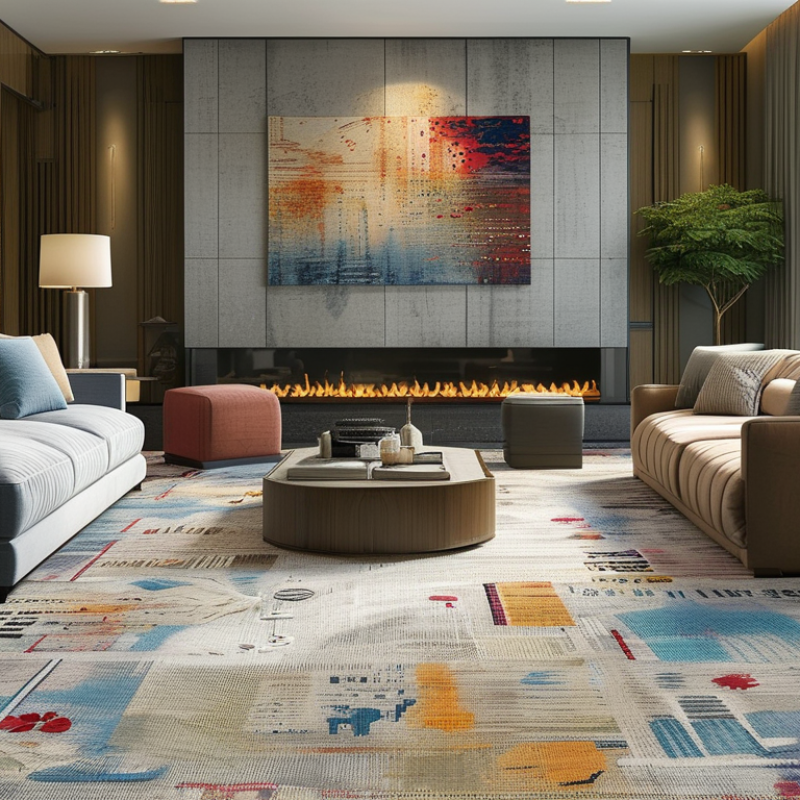
When selecting hard-wearing carpets for high-traffic areas, durability is paramount. According to the 2023 Cleaning Industry Research Institute report, carpets in commercial spaces must withstand significant foot traffic. The study reveals that nylon and polypropylene are top choices due to their resistance to stains and wear. Nylon offers exceptional durability and resilience, making it ideal for busy environments.
Moreover, carpets made from wool blend provide a luxurious touch while ensuring strength. Wool is naturally resilient and can last up to 20 years with proper care. In contrast, polypropylene is less costly and provides good outdoor performance, often recommended for entryways. The ease of cleaning is another important aspect. Research shows that carpets treated with stain repellents maintain their aesthetic appeal longer than untreated options.
However, it’s worth noting the variability in performance based on environmental factors like humidity and temperature. Some carpet types may not perform as expected in humid climates. Therefore, assessing specific needs and use cases is crucial. The risks of poor choices can lead to quick wear and replacement, increasing long-term costs. Choosing wisely is essential for both functionality and aesthetic in high-traffic settings.
When it comes to selecting carpet fibers, three main contenders dominate the market: nylon, polyester, and olefin. Each fiber offers unique properties that cater to distinct needs. Nylon is widely recognized for its durability and resilience. According to the Carpet and Rug Institute, nylon carpets typically last 10-15 years, making them a popular choice for high-traffic areas. Its ability to withstand wear and tear is unmatched, which is why it often tops the charts for performance.
Polyester is gaining traction due to its resistance to fading and stains. It boasts an impressive color retention rate. A 2022 industry report indicated that polyester carpets are ideal for homes with pets and children. However, they may not match the strength of nylon. It's essential for buyers to consider their household activities when choosing polyester. On the other hand, olefin fibers are budget-friendly and offer moisture resistance. They are particularly effective in indoor-outdoor spaces and can withstand mold and mildew. Yet, they may lack the plush feel of the other fibers.
Buyers should carefully evaluate their priorities. Durability, comfort, and maintenance requirements are vital factors. The right choice depends on individual lifestyle needs. A common misconception is that higher durability equals higher cost, which may not always hold true. Reflecting on these options will lead to a more informed decision.
When selecting carpets for the global market, durability is key. Different climates affect material longevity. For humid regions, moisture-resistant fibers are essential. In contrast, arid climates require carpets that can withstand dryness without cracking. Understanding these local environments helps ensure the right choice.
Another important factor is traffic patterns. High-traffic areas need robust materials that resist wear. Consider options like looped carpets or tightly woven styles. They can endure frequent use and maintain their appearance longer. Additionally, color and texture play significant roles in aesthetic appeal. Unique textures can enhance the visual interest of a space, while darker colors may conceal dirt better.
Cost is also a consideration. While investing in high-quality carpets may seem ideal, budget constraints are real. It is crucial to find a balance between quality and affordability. Exploring local suppliers can also reduce shipping costs and support local economies. Analyzing all these factors helps create a suitable carpet choice for diverse consumers.
| Carpet Type | Durability Rating | Ideal Usage | Maintenance Level | Eco-Friendliness |
|---|---|---|---|---|
| Nylon Carpet | High | Residential & Commercial | Medium | Moderate |
| Polypropylene Carpet | Medium | Residential | Low | High |
| Wool Carpet | High | Luxury Residential | High | Very High |
| Frieze Carpet | High | Residential | Medium | Moderate |
| Berber Carpet | Very High | High Traffic Areas | Low | High |
Innovative technologies in carpet manufacturing are transforming the industry. Reports indicate that by 2026, advancements in fiber technology will significantly elevate durability. Researchers suggest these new fibers can withstand wear and tear 30% longer than traditional options. This durability is crucial for global buyers seeking value in their investments.
Some carpets now utilize advanced stain-resistant treatments. These innovations allow carpets to maintain their appearance longer. In a recent survey, 58% of consumers preferred carpets that require less frequent cleaning. Additionally, pet owners showed an even greater preference for these options. This indicates a growing demand for carpets that combine practicality and style.
Sustainability is also a concern. Non-toxic materials are being used more frequently. However, the challenge lies in balancing eco-friendliness with performance. Buyers are advised to consider carpets that offer both longevity and reduced environmental impact. Industry experts caution that while these new technologies are promising, they require ongoing evaluation for true effectiveness.
In recent years, the carpet industry has placed increased focus on sustainability. Many manufacturers are exploring eco-friendly materials. Reports indicate that carpets contribute significantly to indoor air pollution. A study found that over 30% of carpets emit volatile organic compounds (VOCs). This affects air quality in homes and offices.
Choosing hard-wearing carpets can reduce the environmental impact. Studies show that durable carpets last 10-20 years longer than traditional options. They require less frequent replacement, leading to a decrease in waste. Additionally, some materials, like recycled nylon, showcase positive life cycle analyses. They use less energy and reduce overall carbon footprints.
However, not all hard-wearing carpets are created equal. Some options, while long-lasting, may still contain harmful chemicals. Awareness is crucial for consumers. Research indicates that transparency around materials is vital for making informed decisions. Buyers should demand certifications that ensure safety and sustainability. Eco-labels can offer insights into a product’s environmental impact.
This chart illustrates the durability of various hard wearing carpet options expected to be popular among global buyers in 2026. Each carpet type is measured by its expected lifespan in years, emphasizing the importance of longevity in sustainable flooring choices.
: Nylon is renowned for its exceptional durability and resilience, making it suitable for busy environments.
Wool blend carpets can last up to 20 years with proper care, providing both strength and luxury.
Yes, stain-repellent carpets maintain their aesthetic for longer than untreated options, making them a practical choice.
Environmental factors, like humidity and temperature, can impact how carpets perform over time.
Polyester is resistant to fading and stains but may not be as durable as nylon in high-traffic areas.
Olefin fibers are budget-friendly and moisture-resistant, ideal for indoor-outdoor spaces.
New fiber technologies promise to increase durability by 30%, making carpets more resilient to wear.
Many consumers prefer carpets requiring less frequent cleaning, especially pet owners.
Sustainability is crucial, yet balancing eco-friendliness with performance remains a challenge for buyers.
Consider lifestyle needs, durability, comfort, and maintenance requirements before making a purchase decision.
The article titled "Best Hard Wearing Carpet Options for Global Buyers in 2026" explores various durable carpet materials ideal for high-traffic areas. It highlights the characteristics of prominent carpet fibers, including nylon, polyester, and olefin, providing a comparative analysis of their performance and suitability. Key factors such as traffic patterns, maintenance needs, and regional preferences in global markets are discussed to assist buyers in making informed choices.
Additionally, the article delves into innovative carpet technologies that enhance both longevity and performance, ensuring that hard wearing carpets stand the test of time. The environmental impact and sustainability of these carpets are also examined, emphasizing the importance of eco-friendly options in today’s market. This comprehensive overview serves as a valuable resource for those looking to invest in resilient carpet solutions while considering both functionality and environmental responsibility.
