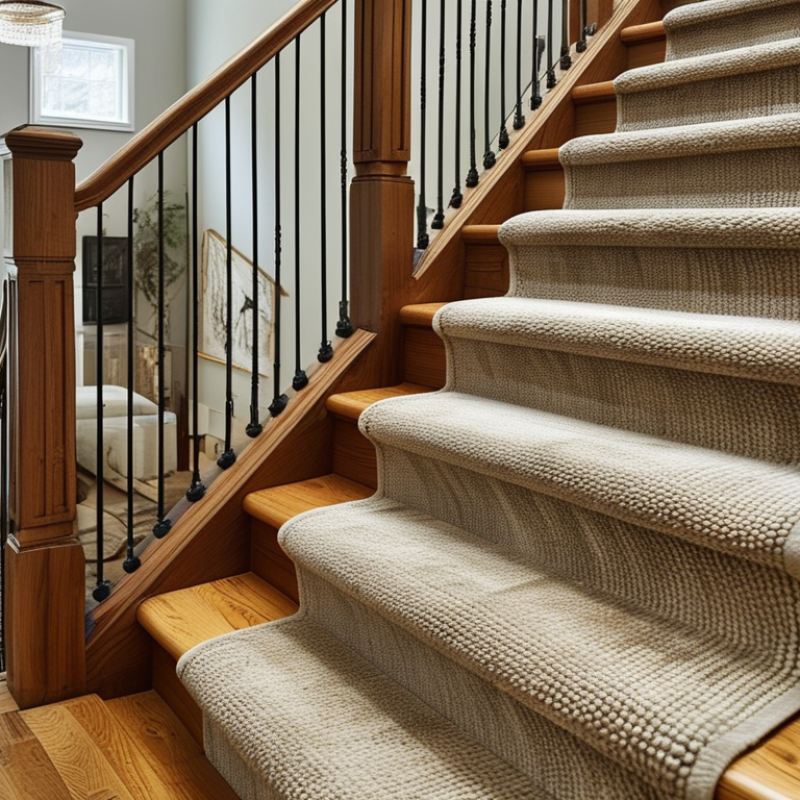
Choosing the right stair runner for wood stairs can transform both safety and aesthetics in your home. Jane Doe, an interior design expert, emphasizes, “A well-chosen stair runner can elevate your space while providing grip and comfort.” Stair runners for wood stairs serve multiple purposes. They protect the wood, enhance decor, and reduce noise.
When selecting a runner, consider the material and design. Natural fiber, like jute or sisal, offers durability and a rustic appeal. In contrast, synthetic options provide easier maintenance. Each choice carries its pros and cons, which require thoughtful consideration.
Installation is crucial. A poorly fitted runner can create hazards and diminish beauty. A professional installation can ensure longevity and enhance safety. Reflecting on these aspects makes the selection process more informed, allowing homeowners to find the perfect fit for their personal style and functional needs.
Types of Stair Runners Suitable for Wood Stairs
Choosing the right stair runner for wood stairs involves understanding the types available. Stair runners can vary significantly in style, material, and functionality. Some common types include woven carpets, natural fibers, and synthetic options. Woven carpets offer a luxurious feel and diverse patterns. They can add warmth but may require more maintenance. Natural fibers, such as sisal or jute, provide an earthy vibe. They are durable but might be less soft underfoot.
Synthetic runners are a practical choice. They come in various styles and are often easier to clean, making them ideal for high-traffic areas. When selecting a stair runner, consider the thickness and texture. A thicker runner can contribute to safety by reducing slips. However, it may not always fit well with stair designs. Placement is also key; ensure it doesn't impede movement. Balancing comfort, safety, and aesthetics can be challenging, but close attention to these details helps create an inviting staircase.
Factors to Consider When Choosing a Stair Runner
Choosing the right stair runner for wood stairs involves several critical factors. You should consider the material first. Woven fabrics offer durability, while natural fibers provide warmth. According to a report by the American Society for Testing and Materials, nylon is often rated highly for its resistance to stains and wear.
Another essential factor is the thickness of the pile. Thicker carpets can provide more cushioning underfoot, enhancing safety by preventing slips. Yet, they may be harder to maintain. A study from the Carpet and Rug Institute suggests that medium pile offers a balance of comfort and ease of cleaning.
When selecting a color or pattern, think about the overall aesthetic of your home. Lighter colors can make a staircase feel larger, while darker shades add depth. However, it's important to remember that lighter colors may show dirt quickly.
Tip: Always order a sample before making a purchase. This can prevent unexpected disappointment. Testing how it feels underfoot can help gauge comfort.
Think about intended use as well. If you have pets or children, durability becomes critical. Stain-resistant options might be a more practical choice. Invest time in understanding the maintenance required. A routine cleaning schedule can extend the life of your runner significantly.
Measuring Your Stairs for the Perfect Fit
Measuring your stairs accurately is crucial for selecting the right stair runner for wood stairs. A common mistake is underestimating the importance of measurements. According to industry data, about 65% of homeowners do not measure their stairs before making a purchase. This can lead to poor-fitting runners, causing safety hazards and aesthetic issues.
To begin measuring, note the width of your stairs. Standard widths range from 36 to 42 inches. However, irregular stair widths are not uncommon. Don't forget to measure the length of each stair tread. Typically, treads are about 10 to 11 inches deep. Record these measurements carefully; even a slight miscalculation can result in an ill-fitting runner.
Also, consider the rise of the stairs. The rise is the vertical distance from one tread to the next. Industry experts recommend a rise between 7 to 8 inches for safety. Measuring accurately can take time, but it significantly impacts the outcome. A poorly fitted runner might slip or bunch up, creating a tripping hazard. Remember, a well-fitted runner enhances both the beauty and functionality of your staircase.
Installation Tips for Stair Runners on Wood Stairs
Installing stair runners on wood stairs can enhance both safety and aesthetics. Before starting the installation, ensure you have all the necessary tools. A measuring tape, staple gun, and carpet cutter are essential for a smooth process. You should measure your stairs carefully. Each step needs a precise fit to prevent slips.
When positioning the runner, consider a centered layout. This creates a balanced appearance. If your stairs have a curve or landing, those areas may require extra attention. Don't rush; custom cutting may be necessary. Even a small misalignment can compromise the entire look.
After laying the runner, it's crucial to secure it properly. Use staples or double-sided tape for best results. This ensures the runner stays in place and doesn't pose a tripping hazard. Finally, periodically check the runner for wear and secure it again if needed. A well-installed stair runner not only looks good but also provides a sense of safety on wooden stairs.
Best Stair Runners for Wood Stairs How to Choose the Right One? - Installation Tips for Stair Runners on Wood Stairs
| Aspect |
Details |
| Material |
Wool, Nylon, Polypropylene |
| Thickness |
1/4 inch to 1/2 inch |
| Style |
Traditional, Modern, Custom |
| Color Options |
Solid, Patterns, Bright Colors, Neutrals |
| Installation Method |
Adhesive, Carpet Tacks, Double-Sided Tape |
| Safety Features |
Non-Slip Backing, Low Pile Height |
| Maintenance |
Regular Vacuuming, Spot Cleaning |
| Price Range |
$1 - $10 per linear foot |
Maintenance and Care for Stair Runners
When you install a stair runner, maintenance becomes essential to prolong its life. Regular vacuuming helps remove dirt and debris. Pay attention to high-traffic areas, as they wear out faster. Consider spot-cleaning stains immediately to prevent permanent marks.
Tips: Always test cleaning solutions on a small area. This avoids unexpected discoloration. Use a soft brush for deeper cleaning.
Avoid excess moisture when cleaning, as wood stairs can warp. Frequent checks for loose ends of the runner are vital. Tackling these quickly saves you from larger repairs later.
Tips: Lay a rug pad underneath to prevent slipping. A pad also extends the runner’s lifespan. Periodically rotate the runner to ensure even wear.
Incorporate these practices into your routine for the best results. Observing how your runner responds can help you adjust your care approach. Proper maintenance is key, but not always perfect. Be willing to learn and adapt over time.
FAQS
: Woven fabrics are durable, while natural fibers add warmth. Nylon resists stains well and wears nicely.
Thicker carpets provide cushioning and prevent slips. However, they may be more difficult to clean.
Lighter colors make stairs feel larger. Darker shades add depth but show dirt faster.
Samples help you assess comfort and texture before purchase. This can prevent disappointment later on.
If you have pets or kids, opt for durable, stain-resistant runners. This choice enhances longevity.
Accurate measurements are crucial. Many homeowners forget this step, leading to poor-fitting runners.
Most stairs range from 36 to 42 inches wide. Irregular widths are common too, so measure carefully.
Treads are usually 10 to 11 inches deep. Accurate measurements prevent issues with fit and safety.
Risers should ideally be between 7 to 8 inches high for safety. Miscalculations can lead to hazards.
A poorly fitted runner may slip or bunch up, creating tripping hazards and detracting from aesthetics.
Conclusion
When selecting the best stair runners for wood stairs, it is essential to consider various types that are compatible with the hard surface. Popular options include plush carpets for added comfort, durable synthetic fibers for resistance to wear, and woven designs for a classic look. When choosing stair runners for wood stairs, factors such as color, pattern, and thickness play a significant role in enhancing the overall aesthetic while ensuring safety and comfort.
Proper measurement of your stairs is crucial for the perfect fit, and installation tips can help achieve a professional look. Additionally, to keep stair runners in great condition, regular maintenance and care practices should be followed. By taking these considerations into account, you can effectively enhance your wood stairs with stylish and functional stair runners.