When searching for the finest vintage carpet, understanding the nuances of quality and style is crucial. Vintage carpets tell a story through their patterns and colors. They originate from various regions, each showcasing distinct craftsmanship. For global buyers, the quest for authentic pieces can be overwhelming. Many marketplaces offer a vast selection, but not all guarantee quality.
In this journey to find the best vintage carpet, buyers should consider the source. Trustworthy dealers often provide detailed histories and condition reports. It's important to inspect the fabric and design closely. Look for unique features that add character. However, navigating online platforms can lead to oversights. Sometimes, the allure of low prices obscures quality.
Authentic vintage carpets can be investments. They add uniqueness to a space, but they require careful selection. Understanding the market can be daunting. Many buyers may overlook signs of wear and replacement parts. Engaging with experts can help reveal insights into craftsmanship and authenticity, ensuring a rewarding purchase.
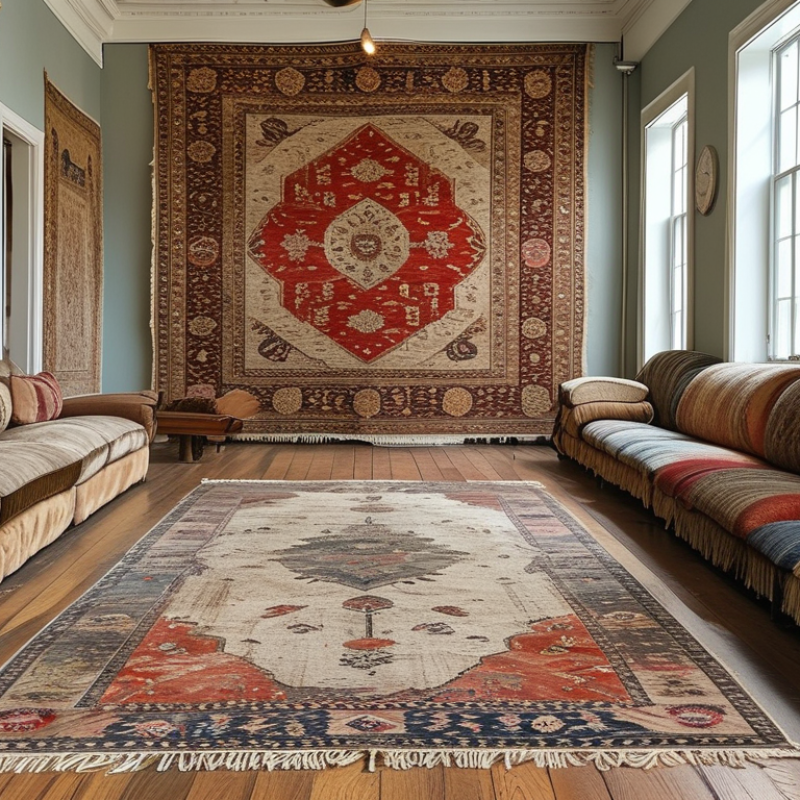
Where to Explore Vintage Carpets: A Guide for Global Buyers
Exploring vintage carpets can be an exciting journey for global buyers. Unique designs and rich history often attract collectors worldwide.
Antique markets, estate sales, and specialized shops are excellent places to start your search. Each carpet tells a story. You might find a
faded Persian piece that sparks your imagination or a bold Kilim that stands out in modern settings.
Online platforms also offer diverse options. Websites and social media groups connect buyers with sellers across continents. However, buyers must be cautious.
The authenticity of a carpet can sometimes be difficult to verify. Look for detailed descriptions and high-quality images.
Engaging with reputable sellers can provide assurance. Trust must play a role in this vintage journey.
While shopping, consider your space and style. A vintage carpet can elevate a room's aesthetic. Colors and patterns can complement modern decor or enhance traditional spaces.
But remember, not every carpet will fit your vision. Take your time, do your research, and seek expert opinions when needed. Finding the perfect piece may require patience,
but the hunt is part of the excitement.
Key Global Markets for Sourcing Vintage Carpets: Locations & Trends
When exploring global markets for vintage carpets, understanding location dynamics is crucial. Major hubs like Istanbul and Marrakech stand out. In Istanbul, you can find vibrant bazaars filled with unique pieces. Each carpet tells a story of artisanal craftsmanship. Marrakech offers a blend of traditional and modern designs. The medina is a labyrinth of color and texture.
Beyond these popular spots, emerging markets in Eastern Europe are gaining attention. Cities like Bucharest and Sofia offer hidden gems at competitive prices. Shoppers can experience local culture while hunting for valuable finds. However, it’s essential to verify authenticity. Not every seller is honest about origins.
Online platforms also play an important role. They connect buyers with sellers globally, but caution is key. Counterfeit carpets can flood the market. Research and reviews become vital tools. Ultimately, while sourcing vintage carpets, consider both the allure of the pieces and the reliability of the sources. Each choice reflects personal taste and discernment.
Understanding Quality: Essential Factors in Evaluating Vintage Carpets
When evaluating vintage carpets, quality is paramount. Different factors can influence a carpet's overall appeal. For example, the origin of the carpet often indicates its craftsmanship.
Persian carpets are known for their intricate designs and robust materials. Turkish carpets, on the other hand, boast vibrant colors. Both styles showcase unique artistry, making them desirable for collectors.
Another crucial element is the material used. Natural fibers like wool and silk offer durability and comfort. However, synthetic materials might slightly lower the carpet's value. Inspecting knots and weave density helps assess craftsmanship. High-quality carpets usually exhibit tight, even knots. Uneven knots can signal a lack of skill or care.
Color is also significant. Vintage carpets often have a patina that reflects their history. Fading can add character, yet it also raises questions about care. Buyers should consider how much wear is acceptable. A worn carpet may invite discussion, while a pristine piece might feel less authentic. Each aspect should create a balance between aesthetics and integrity.
Pricing Insights: What Influences the Cost of Vintage Carpets Worldwide
When searching for vintage carpets, pricing is a key consideration for buyers around the globe. Various factors influence these prices, making vintage carpets a unique purchase. Quality, age, and rarity play major roles. Carpets that are handmade often demand higher prices. Patterns and colors can also set a carpet apart in the market.
Moreover, the origin of the carpet matters. Different regions have distinct weaving techniques. For example, Persian carpets may cost more due to their intricate craftsmanship. Regional demand also affects pricing; carpets from popular areas can be considerably more expensive.
Buyers should be aware that not all vintage carpets are created equal. It's essential to research thoroughly. Understanding the market can prevent overpaying. Some carpets may look appealing but lack value. Seek expert opinions when uncertain about a purchase. This insight helps in navigating the complex world of vintage carpets.
Where to Find the Best Vintage Carpet for Global Buyers?
This chart illustrates the average prices of vintage carpets from different regions worldwide. Persian carpets are among the most expensive, reflecting their intricate designs and craftsmanship, followed by Turkish and Afghan carpets. Indian and Chinese vintage carpets tend to be more affordable, catering to a wider range of global buyers.
Sustainability in Vintage Carpeting: Eco-Friendly Buying Practices
Vintage carpeting has gained popularity among global buyers, especially for its aesthetic appeal and sustainable nature. A 2023 report by the International Society of Carpet and Rug Makers highlights that vintage carpets can reduce waste significantly. The recycling and reuse of these materials prevent new carpets from being produced. This is critical as the carpet industry is known for its extensive environmental footprint.
Eco-friendly buying practices are essential for those seeking vintage carpets. Buyers should look for stores that prioritize responsible sourcing. Certifications regarding the materials used and the production methods can provide insight into a carpet's sustainability. However, some sellers may not be transparent, making it challenging to verify claims. Industry experts recommend verifying the age of a carpet, as older pieces often have lower environmental impacts compared to newer alternatives.
Purchasing vintage carpets also supports local artisans, preserving cultural craftsmanship. According to a study by the Global Sustainable Flooring Council, vintage carpets use fewer resources over their lifecycle. Nonetheless, not all vintage carpets meet eco-friendly standards. Researching the history and sourcing of each piece becomes vital to ensure a truly sustainable choice. Being aware of these aspects can help buyers make informed decisions while enjoying the unique character that vintage carpets offer.
Where to Find the Best Vintage Carpet for Global Buyers? - Sustainability in Vintage Carpeting: Eco-Friendly Buying Practices
| Region |
Average Year of Creation |
Sustainability Practices |
Materials Used |
Average Price Range (USD) |
| Persia |
1970s - 1990s |
Recycling of old carpets, low-impact dyes |
Wool, Cotton |
300 - 1000 |
| Turkey |
1980s - 2000s |
Handmade production, vegetable-based dyes |
Silk, Wool |
400 - 1200 |
| India |
1960s - 1980s |
Sustainable practices in weaving |
Cotton, Wool |
350 - 900 |
| Central Asia |
1970s - Present |
Using local materials, traditional methods |
Wool, Hides |
250 - 800 |
Conclusion
This article serves as a comprehensive guide for global buyers seeking the best vintage carpets. It outlines key locations for sourcing these unique textiles and highlights emerging trends in the vintage carpet market. Understanding the essential factors that contribute to the quality of vintage carpets is crucial for buyers, as it directly influences their investment and satisfaction.
Additionally, the article delves into the various factors affecting the pricing of vintage carpets worldwide, offering insights to help buyers navigate their purchasing decisions. Finally, it emphasizes the importance of sustainability in vintage carpeting, encouraging eco-friendly buying practices that not only benefit the environment but also enhance the authenticity and charm of vintage carpets. Overall, this guide equips buyers with the knowledge needed to make informed and responsible choices in their vintage carpet acquisitions.