Who Are the Best Vinyl Lino Flooring Suppliers in China?

Time:2026-11-02 Author:Amelia
0%

Choosing the best Vinyl Lino Flooring suppliers in China takes more than comparing prices or browsing polished product photos. The term can cover different resilient flooring materials, constructions, and finishes, so buyers should confirm exactly what each supplier offers. A useful comparison starts with clear specifications: overall thickness, wear layer, surface texture, dimensions, and intended installation method. A glossy sample is not enough.

Reliable suppliers should be able to explain their manufacturing process, quality checks, packaging, and order lead times in practical terms. Ask for current technical data sheets and product samples, then compare the actual color, edge finish, and surface feel. Where certificates or test reports are provided, check that they match the specific product and are current. Details matter. A small mismatch between a sample and a bulk order can create costly delays, even when the initial quotation looks attractive.

This guide explores how to identify capable Chinese suppliers, assess product consistency, and ask better questions before placing an order. It also considers communication, customization, shipping preparation, and after-sales support. “Best” depends on the project: a distributor may value steady stock, while a contractor may need precise dimensions and dependable delivery. No supplier should be judged by claims alone. Compare evidence, request written terms, and leave room for careful verification; even a well-prepared checklist cannot remove every uncertainty.
Who Are the Best Vinyl Lino Flooring Suppliers in China?

Understanding Vinyl and Linoleum Flooring in the Chinese Market

In the Chinese market, “vinyl lino” often describes two different floor coverings. Vinyl flooring is generally made from PVC and may come as sheets, planks, or tiles. Linoleum is made with materials such as linseed oil, wood flour, and jute. They can look similar in a showroom, but their composition, upkeep, and installation needs differ. The label can be confusing.

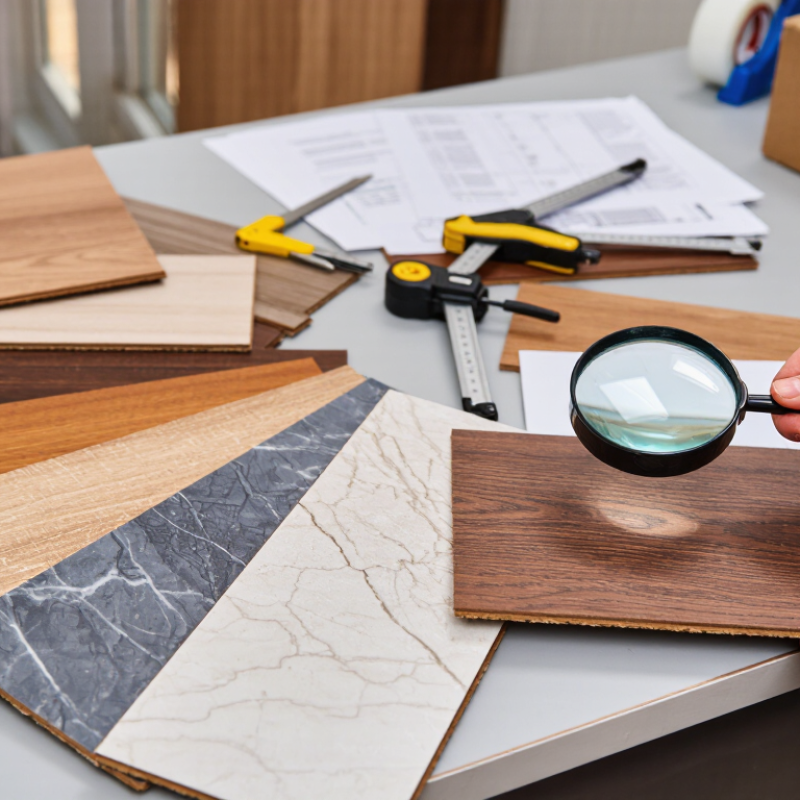
Climate matters. In humid southern regions, installers should check subfloor moisture before laying either material; trapped moisture can affect adhesion and indoor comfort. A sample should be inspected in daylight, not only under warm showroom lights. Look closely at seams, surface texture, and whether the backing feels even. Small details matter.

When comparing suppliers, request current technical sheets for wear-layer thickness, dimensional stability, emissions, and fire performance. Ask how each figure was tested, and whether the report matches the exact product being quoted. A low price alone tells little. Confirm packaging, roll or carton dimensions, batch consistency, and installation guidance in writing. For linoleum, also ask about suitable cleaning products and skilled installers, since poor fitting can spoil an otherwise sound floor. Even careful checks cannot remove every uncertainty; samples and documents deserve a second look.

Key Criteria for Evaluating Chinese Flooring Suppliers

When evaluating Chinese vinyl flooring suppliers, compare verifiable product data, not catalogue adjectives. Grand View Research estimated the global vinyl flooring market at USD 25.6 billion in 2023, with projected growth from 2024 to 2030. That market scale makes clear specifications essential. Ask whether “vinyl lino” means homogeneous or heterogeneous flooring, and request the construction drawing, total thickness, wear-layer thickness, and intended-use class. A polished sample can still mislead.

Check recent test reports against relevant methods, including ISO 10582 for heterogeneous PVC floor coverings and ISO 23999 for dimensional stability and curling. Confirm that the report names the same product structure and factory offered in your quotation. Ask for production-batch records, inspection criteria, and clear limits for shade variation, surface defects, and dimensional tolerance. Then compare a retained sample with cartons from a trial order. Small details matter.

Assess the factory, too. Review its quality-control process, monthly capacity, lead-time history, export packing, and written procedure for handling defects. Request dated photos of packed pallets and confirm how rolls or planks are protected from moisture and edge damage. A factory visit or independent audit can reveal more than a sales call, though neither guarantees every shipment. I would also check whether the supplier responds precisely to technical questions; vague answers deserve a second look. Keep the comparison in writing.

Main Types of Vinyl Flooring Suppliers in China

China’s vinyl flooring suppliers generally fall into three groups: direct manufacturers, OEM/ODM factories, and trading or export companies. Direct manufacturers control production lines and can explain core details, such as wear-layer thickness, locking profiles, and backing construction. OEM/ODM factories make products to a buyer’s specifications, which suits private-label projects but requires clear written tolerances. Trading companies may offer several product types and handle export paperwork. Their factory access and quality oversight can vary. Ask who actually manufactures each sample.

The market is substantial, but growth figures do not identify a reliable supplier. Grand View Research valued the global luxury vinyl tile market at USD 22.42 billion in 2023 and projected a 5.7% compound annual growth rate from 2024 to 2030. Treat that as market context, not proof of product quality. Request current test reports matching the quoted construction, and check that sample labels match the production specification. A glossy sample can hide a thin wear layer. Small details matter. I would also compare batch consistency, packaging, and response times; these are easy to overlook when a price looks attractive. No supplier type is automatically safest. Verify the factory, documentation, and responsibilities before placing an order.

Comparing Supplier Products, Certifications, and Capabilities

When comparing China’s vinyl lino flooring suppliers, start by clarifying the product: vinyl flooring and natural linoleum are different materials. Check the wear layer, total thickness, backing, and surface texture against the project specification. Grand View Research estimated the global vinyl flooring market at USD 25.6 billion in 2023, with projected annual growth of 7.1% from 2024 to 2030. That expansion makes supplier claims easy to find, but not equally easy to verify. A polished sample can still hide batch variation.

Ask for current certificates and test reports tied to the actual factory and product range. ISO 9001 and ISO 14001 indicate management systems, not proof that a particular floor meets performance needs. For PVC flooring, check relevant test results for dimensional stability, residual indentation, wear, and emissions; confirm the test method, date, and product identification. No certificate tells the whole story. Request samples from different production batches, plus written details on production capacity, color matching, lead times, and export packaging. I would also compare how clearly a supplier explains test limits. That detail is easy to miss.

Vinyl Flooring Supplier Evaluation: Relevant Standards

Edition years of standards relevant to flooring quality, environmental management, worker safety, and product performance. These dates are not supplier certifications or quality ratings.

When comparing suppliers, verify certificates directly, including their scope, issuing body, and validity period. Product compliance should also be checked against the requirements for the destination market.

How to Choose the Right Supplier for Your Project

Choosing a vinyl or linoleum flooring supplier in China starts with clarifying the product. These materials are not identical, and their wear, installation, and care requirements can differ. Ask for the exact construction, total thickness, wear-layer measurement, backing type, and intended use. A sample should feel consistent across its surface and edges. Check it under the lighting used in your project; colors can look different in a showroom. Small detail, big impact.

Tips: Request current technical data and relevant test reports. Confirm whether quoted specifications apply to the sample and the production run. Ask about minimum order quantities, lead times, packaging, and how damaged cartons are handled. Get key details in writing.

Price matters, but it should not be the only comparison. Review the quotation line by line, including shipping terms and any sampling costs. Ask how the supplier manages batch variation and handles quality concerns after delivery. Clear answers are useful; vague promises are not. If possible, speak with a technical contact, not only a salesperson. I would also allow time for a trial installation, since a sample cannot reveal every site condition. I have found that this step is easy to underestimate. A little delay now may prevent costly rework later.

FAQS

What does “vinyl lino” mean in the Chinese market?

It may mean PVC vinyl flooring or natural linoleum. They can look similar, but their materials and care needs differ.

How can buyers tell vinyl flooring from linoleum?

Ask for the material composition and product construction details. Linoleum commonly contains linseed oil, wood flour, and jute.

What should buyers check before installation in humid regions?

Check subfloor moisture before laying the floor, especially in southern regions. Trapped moisture may affect adhesion and indoor comfort.

Why inspect a flooring sample in daylight?

Warm showroom lights can disguise color and surface differences. Check seams, texture, and backing in natural light. Small details matter.

Which technical details should a supplier provide?

Request wear-layer and total thickness, dimensional stability, emissions, and fire-performance data. Ask how each result was tested.

How can buyers confirm that test reports match the product?

Check that reports identify the quoted product structure and factory. Compare retained samples with cartons from a trial order. Worth checking twice.

Do certificates guarantee that flooring will suit a project?

No. Management-system certificates do not prove a specific floor meets every performance need. Review product-specific test results and their limits.

What should buyers examine about factory and shipment quality?

Ask about inspection criteria, production capacity, lead times, and defect handling. Confirm that rolls or planks are protected from moisture and edge damage.

What extra checks matter when buying linoleum?

Ask which cleaning products are suitable and whether skilled installers are available. Poor fitting can spoil a sound floor. A sample cannot tell everything.

Conclusion

Choosing the best Vinyl Lino Flooring supplier in China starts with understanding the products available. Vinyl flooring is typically valued for its moisture resistance, varied designs, and practical maintenance, while linoleum is a distinct flooring material with different composition and performance characteristics. Knowing which material suits your project helps you compare suppliers on relevant factors such as product range, construction, durability, customization options, communication, and production capacity.

Chinese suppliers may include manufacturers, trading companies, and specialized flooring providers, each offering different levels of product control and service. Before making a decision, compare samples, technical specifications, quality documentation, applicable certifications, and the supplier’s ability to meet your project requirements and delivery schedule. The right choice is not simply the lowest price, but a dependable supplier whose products, capabilities, and support align with your intended use, budget, and expectations for long-term performance.

Amelia

Amelia

Amelia is a seasoned marketing professional with a wealth of expertise in our company’s core offerings. With an unwavering passion for driving growth and innovation, she plays a pivotal role in shaping our marketing strategies and enhancing brand visibility. A key aspect of her responsibilities......