
Best Wood Look Vinyl Flooring in 2026 for Buyers

Time:2026-11-23 Author:Mason
0%

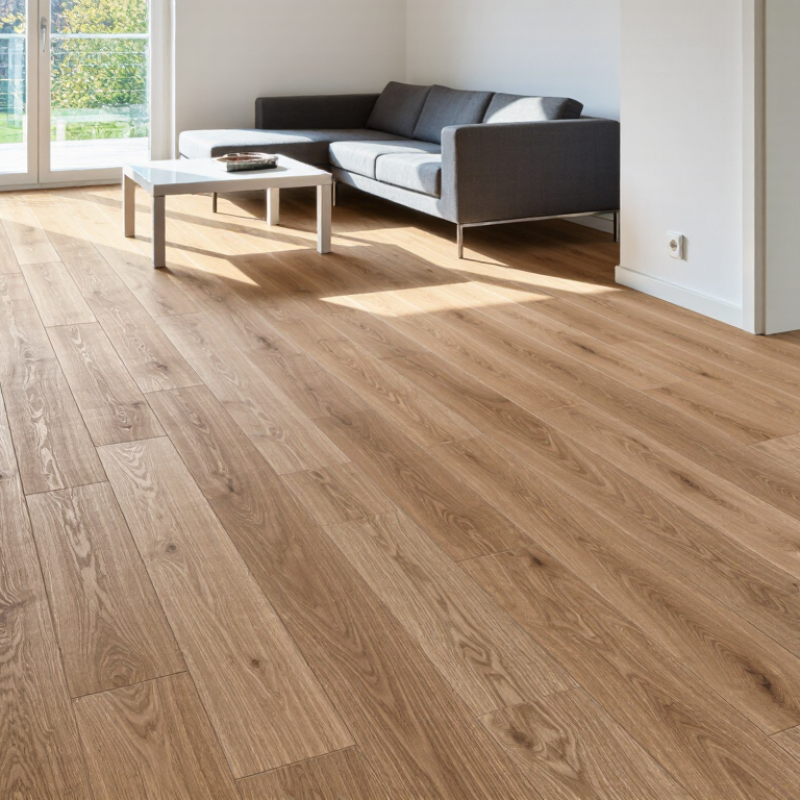
Wood Look Vinyl Flooring has moved beyond a budget substitute for hardwood. Buyers can now find convincing oak grain, matte finishes, and embossed textures that feel more convincing underfoot. Yet appearance is only part of the decision. A plank beside a sunny patio door faces different demands from one in a quiet guest room.

Grand View Research’s Vinyl Flooring Market report estimated the global market at about $25.6 billion in 2023 and projected continued growth through 2030. That figure describes the wider vinyl category, not wood-look products alone. Still, it signals a crowded market—and makes clear labeling, product specifications, and warranty terms especially important. Flooring specialist Debbie Gartner, known as The Flooring Girl, offers a useful buyer-focused principle: compare practical performance, not appearance alone. Treat that as guidance, not a substitute for checking each product’s technical sheet.

Look closely. Wear-layer thickness, core construction, locking design, and moisture instructions can change how a floor performs in daily use. A beautiful sample may look different across a full room, especially beside bright windows. Take home a sample and view it in morning and evening light. Also check whether the warranty covers the room where you plan to install it; “waterproof” does not automatically mean every installation condition is covered.

Some details remain easy to overlook. Installation can expose uneven subfloors, and cheaper planks may sound hollow underfoot. This guide compares leading options for 2026, with attention to durability, comfort, design, and value—without assuming one floor suits every home.
Best Wood Look Vinyl Flooring in 2026 for Buyers

Define Wood-Look Vinyl: LVT, LVP, and Rigid-Core Flooring

Wood-look vinyl describes flooring that uses a printed image and textured surface to suggest timber. The wood pattern is visual, not a layer of real wood. Most products combine a wear layer, decorative film, and backing. Scratches and dents depend on the product’s construction and use, not appearance alone.

LVT means luxury vinyl tile, while LVP means luxury vinyl plank. The names mainly describe the shape: tiles are often square or rectangular, and planks resemble wood boards. In practice, terminology can overlap. A plank with a wood print may still be described broadly as LVT. The labels are not perfectly tidy.

Rigid-core flooring is defined by its sturdier central layer, often made from a stone-plastic or wood-plastic composite. It is typically less flexible than standard vinyl, which can help it feel firm underfoot. Still, a rigid core does not fix an uneven subfloor. A low spot near a doorway may show through as movement or a clicking sound. Check the installation instructions, wear-layer thickness, and moisture guidance for the exact product. Small details matter. It is easy to focus on the printed grain and overlook how the floor will meet cabinets, transitions, or existing trim.

Compare Wear Layers: 12 mil = 0.30 mm; 20 mil = 0.51 mm

When comparing wood look vinyl flooring in 2026, check the wear layer rather than judging thickness by appearance. A 12 mil wear layer equals 0.30 mm, while 20 mil equals 0.51 mm. This clear top coating helps resist scuffs and everyday surface wear; it is not the same as the plank’s total thickness. For a quiet bedroom with light foot traffic, 12 mil may be adequate. Busy kitchens, pets, or rolling dining chairs can make the added protection of 20 mil worth considering. It is not a guarantee against dents or damage.

The number alone does not tell the whole story. Core construction, installation quality, and care habits also affect how a floor performs. A rough chair glide can mark even a thicker wear layer, so use protective pads and sweep grit before it acts like sandpaper. Ask for the wear-layer specification in writing, and compare product details on the same basis. One small caveat: “more durable” can sound absolute, but real homes are messy, and testing conditions may differ. I would weigh the warranty alongside the wear-layer measurement, then match both to the room’s actual use.

Compare SPC and WPC Cores by Composition, Weight, and Comfort

Best Wood Look Vinyl Flooring in 2026 for Buyers

SPC and WPC both create convincing wood visuals, but their cores feel different underfoot. SPC uses a dense stone-plastic composite core; WPC adds foaming agents to a wood-polymer composite. ASTM F3261-20 classifies resilient flooring by construction, but does not set a universal weight or comfort score. That matters. Compare published product specifications by kilograms per square metre, not carton weight, which changes with pack size. Many technical sheets list rigid-core planks around 4–8 mm thick; thickness alone does not prove better comfort.

SPC’s dense core usually feels firmer and transfers less flex beneath a chair leg. WPC’s foamed core can feel warmer and slightly softer, especially over concrete, though the underlay and subfloor also affect the result. RFCI’s industry-wide environmental product declarations use declared product data to support like-for-like comparisons; the same discipline helps here.

Check each plank’s mass, total thickness, attached-pad details, and installation instructions. A heavier plank is not automatically quieter or more comfortable. I would test a sample barefoot beside a cold exterior wall. Small differences show up there.

One caution: product sheets rarely use identical test methods, so a neat SPC-versus-WPC ranking can mislead.

Check Rigid-Core Products Against ASTM F3261

Rigid-core wood-look vinyl can resemble pale oak under showroom lights, yet a realistic grain does not prove reliable construction. ASTM F3261 covers resilient flooring in modular formats with a rigid polymeric core. Check the product’s stated classification and test documentation against the standard, rather than relying on “rigid core” alone. Ask for the report, its test date, and the exact product tested. A document for a similar collection is not enough.

Market context is useful, but it is not a quality test. Grand View Research estimated the global vinyl flooring market at USD 25.6 billion in 2023 and projected 7.4% annual growth from 2024 to 2030. That estimate signals a large, expanding category; it does not show that any individual plank meets ASTM F3261. Compare technical sheets for dimensions, wear-layer details, and stated performance, then check whether the test conditions match your intended room. I would still inspect sample edges and locking joints in person; paperwork cannot reveal every installation frustration.

Tips: Request the complete ASTM F3261 test report and confirm the product name, core type, and edition cited. Also check installation instructions for subfloor flatness and temperature limits. Small details matter. Some claims remain hard to compare.

Best Wood Look Vinyl Flooring in 2026 for Buyers - Check Rigid-Core Products Against ASTM F3261
Comparison Dimension Mineral-Filled Rigid Core
(Often Called SPC)
Foamed Polymer Rigid Core
(Often Called WPC)
What Buyers Should Check
Core construction Typically uses a rigid polymer core filled with mineral material. Typically uses a foamed polymer core. Ask for the product’s construction details; trade terms alone do not establish performance or compliance.
Underfoot feel and weight Often feels firmer and is generally denser than a comparable foamed-core product. Often feels somewhat softer underfoot and may be lighter than a comparable mineral-filled product. Compare samples in person. Feel and weight vary with the full product construction and attached backing.
ASTM F3261 relevance ASTM F3261 is a specification for resilient flooring in modular format with a rigid polymeric core. It is a product specification, not a brand ranking or a guarantee that every rigid-core floor complies. Request documentation identifying the exact product, the applicable edition of ASTM F3261, and the test or compliance basis. Confirm the product falls within the standard’s scope.
Wear layer Wear-layer thickness and surface finish are product characteristics; they should not be inferred from core type or appearance. Check the stated wear-layer thickness, finish, and supporting product documentation. Compare products using the same units and measurement basis.
Water and moisture claims A water-resistant flooring surface does not automatically make the subfloor, seams, room, or installation waterproof. Read the installation instructions and warranty for limits involving standing water, subfloor moisture, wet rooms, and perimeter sealing.
Subfloor and installation Rigid-core flooring still requires the specified subfloor preparation, flatness, expansion space, and installation method. Check the manufacturer’s instructions for permitted subfloors, flatness tolerances, underlayment rules, and locking-system requirements.
Attached underlay Some products have an attached backing; others require a separately specified underlay or none at all. Do not add underlay unless the product instructions allow it. An unapproved layer can affect joint performance and warranty coverage.
Underfloor heating Suitability depends on the specific product and installation conditions, not simply on whether the core is rigid. Confirm written approval, temperature limits, heating-system requirements, and any restrictions in the installation instructions.
Best comparison approach Core type can help describe construction, but it does not independently determine durability, comfort, or service life. Compare the same factors across shortlisted products: ASTM F3261 documentation, wear-layer details, installation instructions, warranty terms, and sample appearance.

Choose Flooring by Room, Installation Method, Warranty, and Cost

Room conditions should shape your flooring choice. In kitchens and entryways, look for a wear layer suited to frequent traffic and easy cleanup. A small sample can reveal whether the wood pattern looks convincing under your actual lighting. Check seams near sinks, too. Water resistance varies by product, and standing water can still cause trouble.

Bathrooms need careful attention to the manufacturer’s moisture guidance and installation instructions. For bedrooms, comfort and sound may matter more than heavy-duty wear ratings. Start with the room. Then compare installation methods. Click-lock planks can suit a level, prepared subfloor, while glue-down flooring may work better in some busy spaces. Neither method fixes an uneven base. That part is easy to underestimate.

Compare warranties by reading exclusions, not just the coverage period. Some limit protection for moisture, installation errors, or commercial use. Ask what preparation, underlayment, and trim will add to the quoted cost. Include old-floor removal and transitions in your budget. A cheaper plank may cost more once the room is ready. I would still keep a little extra for waste; awkward corners rarely follow the plan.

Best Wood-Look Vinyl Flooring in 2026: Typical Installed Cost by Method

Illustrative U.S. planning ranges in dollars per square foot. Actual costs vary by location, product, floor preparation, and removal of existing flooring.

How to choose: Sheet vinyl can suit bathrooms and laundry rooms with fewer seams; click-lock planks are a common floating-floor option for living areas and bedrooms; glue-down flooring can be useful in high-traffic spaces. Check the warranty’s room, moisture, subfloor, and installation requirements—coverage differs by product and may exclude water damage. Cost ranges exclude major subfloor repairs and floor removal.

FAQS

What is wood-look vinyl flooring?

It uses a printed image and textured surface to resemble timber. The wood grain is visual, not real wood. Scratches and dents depend on construction and use.

What is the difference between LVT and LVP?

LVT means luxury vinyl tile, while LVP means luxury vinyl plank. The terms mainly describe shape: tiles are often square, and planks resemble boards. Labels can overlap.

What does rigid-core flooring mean?

It has a sturdier central layer and usually feels less flexible underfoot. It cannot correct an uneven subfloor. A low spot may cause movement or clicking.

How do SPC and WPC flooring feel different?

SPC has a dense core and often feels firmer beneath chair legs. WPC has a foamed core that may feel slightly softer and warmer. Try a sample barefoot.

Does thicker flooring always feel more comfortable?

No. Thickness alone does not prove comfort. Compare product weight, attached-pad details, total thickness, and installation guidance. Product specifications may use different test methods.

Which rooms suit wood-look vinyl flooring?

Kitchens and entryways benefit from a suitable wear layer and easy cleanup. Bedrooms may call for more attention to comfort and sound. Check moisture guidance for bathrooms.

Can click-lock or glue-down flooring fix an uneven subfloor?

No. Both methods need suitable preparation. Click-lock planks may suit a level base, while glue-down flooring may fit some busy spaces. I would not skip this check.

What costs and warranty details should buyers check?

Read warranty exclusions for moisture, installation errors, and commercial use. Budget for underlayment, trim, old-floor removal, and transitions. Keep extra material for awkward corners.

Conclusion

This 2026 buyer’s guide explains how Wood Look Vinyl Flooring options differ, from flexible luxury vinyl tile (LVT) and luxury vinyl plank (LVP) to rigid-core products. It compares wear-layer thicknesses to help match durability with expected foot traffic: 12 mil equals 0.30 mm, while 20 mil equals 0.51 mm. The guide also outlines how SPC and WPC cores differ in composition, weight, and underfoot comfort, helping buyers weigh firmness against a softer feel.

Before choosing a rigid-core floor, check that its product information addresses ASTM F3261. Then consider the room’s needs, the available installation method, warranty terms, and total cost. Comparing these factors together can help narrow the options and select a floor suited to the space, installation preferences, and budget.

Mason

Mason

Mason is a seasoned marketing professional with a deep expertise in the company's offerings and a passion for driving brand awareness. With a strong background in digital marketing strategies, he has an innate ability to connect with diverse audiences and effectively communicate product benefits.......