
Choosing the best adhesive vinyl flooring for your home is not a simple task. It requires careful consideration and an understanding of your unique needs. Adhesive vinyl flooring offers versatility, durability, and an appealing aesthetic. However, not all options are created equal.
When selecting adhesive vinyl flooring, consider your lifestyle and the look you desire. This flooring can mimic natural materials like wood or stone, available in various textures and colors. Some products are more resilient to scratches or moisture than others. It’s essential to weigh these factors based on where you plan to install the flooring.
Many homeowners overlook the importance of brand reputation and installation quality. Researching trusted manufacturers can save you from regrettable decisions. Reviewing customer feedback may help identify potential issues early. In the end, investing time in choosing the right adhesive vinyl flooring could greatly enhance your home’s beauty and functionality.
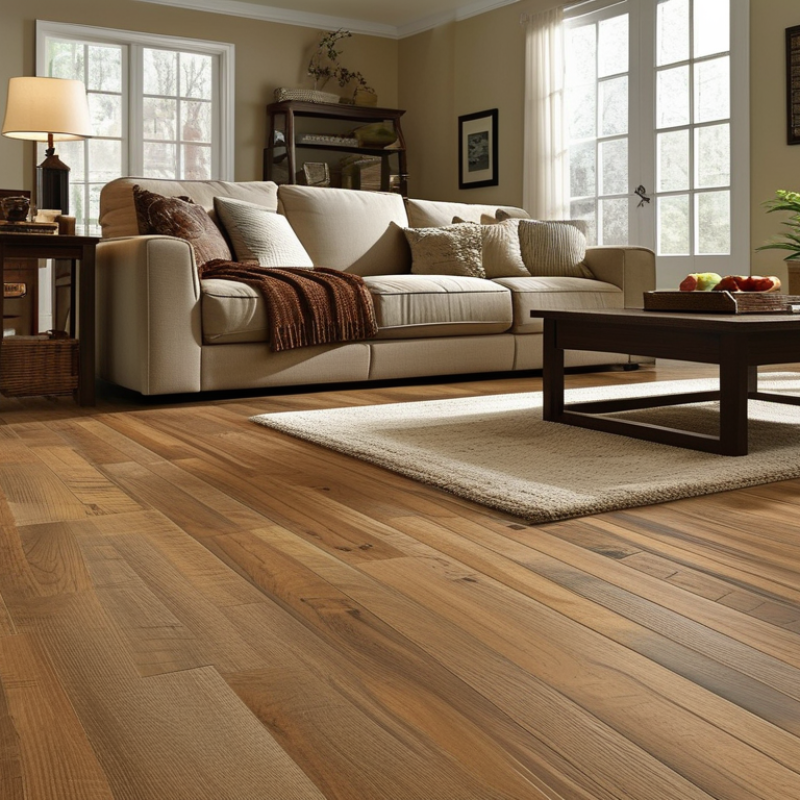
Choosing adhesive vinyl flooring involves understanding its various options. The market offers two main types: rigid and flexible. Rigid vinyl provides a sturdy surface, making it ideal for high-traffic areas. Flexible vinyl, on the other hand, offers more comfort underfoot and is perfect for residential spaces.
An industry report from the Floor Covering Industry shows that 50% of homeowners prefer vinyl flooring due to its durability and ease of maintenance. Some vinyl types feature a protective layer against scratches and stains, which enhances their longevity. It's essential to consider the thickness of the wear layer, as it affects the flooring's lifespan. Many experts recommend a wear layer of at least 12 mils for residential use to ensure better performance.
Additionally, installation types vary. Peel-and-stick options are convenient for DIY enthusiasts but may lack permanence. Glued vinyl flooring provides a more solid bond, making it suitable for long-term applications. However, improper installation can lead to issues like bubbling or peeling. This complexity underscores the importance of researching the right product for your needs.
When choosing adhesive vinyl flooring, durability is a key consideration. This type of flooring should withstand everyday wear and tear while maintaining its appearance. Look for products with wear layers that provide resistance to scratches, stains, and fading. A thicker wear layer often means better durability, but also consider the environment where you will install the flooring. High-traffic areas may require sturdier options.
Maintenance is another essential factor. Vinyl flooring is generally easy to clean, needing only regular sweeping and occasional mopping. However, some finishes may be more resistant to dirt and stains than others. Pay attention to the manufacturer's guidelines on cleaning agents to avoid damaging the surface. Despite its resilience, it's important to recognize that not all vinyl is created equal. Some options may require more upkeep to stay looking new. Reflect on the level of maintenance you are willing to commit to before making a decision.
When choosing adhesive vinyl flooring, considering your budget is crucial. Pricing can vary widely, impacting your overall project costs. Determining how much you can spend upfront helps narrow your options. Take into account additional materials needed, such as adhesive and underlayment. This way, you avoid surprises later on.
Tips: Measure your space accurately. Calculate the square footage to get an idea of how much material you'll need. Include a little extra for waste. Review color and style choices before purchasing. Remember, aesthetics should not solely drive the decision; practicality matters too.
Keep an eye out for hidden costs. Some vinyl flooring may require professional installation, which can significantly add to the expense. DIY installation could save money, but ensure you have the right skills. It's worth becoming familiar with the installation process beforehand. Consider long-term expenses, such as maintenance and durability. Cheaper options might lead to higher costs down the line if they wear out quickly.
When selecting adhesive vinyl flooring, aesthetic choices play a crucial role. Patterns, colors, and textures significantly impact the overall ambiance of a space. According to a recent industry report, 70% of homeowners prioritize design over practical features when choosing flooring. This shows how essential it is to align flooring aesthetics with personal style and home decor.
The various patterns available, from geometric to floral, can dramatically alter a room's character. In a recent survey, 65% of designers noted that bold patterns could make smaller spaces appear larger and more inviting. Color choices are equally important. Soft, neutral tones create a calming effect, while vibrant colors can energize a room. Yet, it’s essential to consider how these colors will interact with existing decor. A common pitfall is overlooking this aspect, which may lead to a disjointed design.
Texture adds another layer of depth. Vinyl flooring can mimic natural materials, providing a tactile contrast. However, achieving a harmonious look requires careful selection. A rough texture may clash with sleek furniture, while a glossy finish could overpower soft fabrics. Reflect on these elements to ensure cohesive design. Consider visualization tools before making a final decision. This helps prevent the mishaps that many homeowners face when mismatching flooring with their design vision.
When installing adhesive vinyl flooring, preparation is crucial. The subfloor must be clean, dry, and smooth. A study by the Resilient Floor Covering Institute shows that over 80% of installation failures are due to inadequate subfloor conditions. Ensuring a flat surface helps the adhesive bond properly, reducing the risk of bubbling or peeling.
Use a high-quality adhesive suitable for your specific vinyl. Coverage rates often vary, with most adhesives requiring 50 to 100 square feet per gallon. Apply the adhesive evenly, avoiding puddles. This emphasis on even application can be the difference between a long-lasting installation and frequent repairs. After laying the vinyl, roll it with a heavy roller to ensure proper adhesion.
Observing drying times is essential. Many adhesives take up to 24 hours to cure fully. Ignoring this can lead to complications, such as misalignment or damage. While adhesive vinyl offers ease of installation, even minor mistakes can create larger issues down the line. Reflecting on each step can prevent costly errors and ensure a successful flooring project.
| Feature | Description | Recommended Use |
|---|---|---|
| Water Resistance | Highly resistant to moisture, suitable for areas prone to spills. | Kitchens, bathrooms, laundry rooms |
| Durability | Can withstand heavy foot traffic and impacts. | Hallways, living rooms, commercial spaces |
| Comfort | Provides a softer feel underfoot compared to ceramic tiles. | Bedrooms, playrooms |
| Installation | Easy to install with adhesive backing, allowing for DIY projects. | Homeowners looking for quick renovations |
| Design Options | Available in a wide range of colors and patterns to match any decor. | All residential and commercial environments |
| Maintenance | Requires regular sweeping and occasional mopping to maintain appearance. | All installations |
| Cost | Generally affordable compared to hardwood and tiles. | Budget-conscious renovations |
: Adhesive vinyl flooring comes in two main types: rigid and flexible. Rigid is best for high-traffic areas.
Many homeowners love vinyl for its durability and ease of maintenance. It's a practical choice for various spaces.
A thicker wear layer enhances durability. Experts suggest at least 12 mils for better performance in homes.
You can choose from peel-and-stick or glued vinyl. Peel-and-stick is easier but less permanent than glued options.
Determine your budget early. Also, factor in additional costs like adhesive and underlayment to avoid surprises later.
Measure your area carefully and calculate the square footage. Always include extra material for waste during installation.
Yes, consider potential costs for professional installation. DIY saves money but requires necessary skills to avoid problems.
While color and style are important, prioritize practicality and durability to avoid spending more later on.
When choosing the best adhesive vinyl flooring for your home, it's essential to understand the various types available, as well as their durability and maintenance needs. Different options offer varying levels of resilience, making it crucial to evaluate how much wear and tear your flooring will endure. Budget considerations are also vital; decide what you're willing to invest in your project while weighing the costs against the benefits.
Aesthetic plays a significant role in your choice as well. Consider the patterns, colors, and textures that will complement your home’s design. Finally, mastering installation techniques can enhance the overall outcome of your flooring project. By addressing these factors—types, durability, costs, aesthetics, and installation—homeowners can make an informed decision about their adhesive vinyl flooring, ensuring it meets both functional and design needs.
