
Choosing the right Soft Carpet can transform your home. With so many options available, it can be overwhelming. The perfect carpet balances comfort, style, and durability. Considering your lifestyle and needs is essential.
Soft Carpets provide warmth and softness underfoot. They make any room feel cozy. However, not all carpets are created equal. Some may wear out quickly, while others may trap allergens. Be mindful of your family's needs.
Finding quality materials is crucial. Look for reputable brands and check for certifications. Reading customer reviews can provide valuable insights. Remember, a Soft Carpet is an investment. It should enhance your home for years to come. Consider your choices carefully.
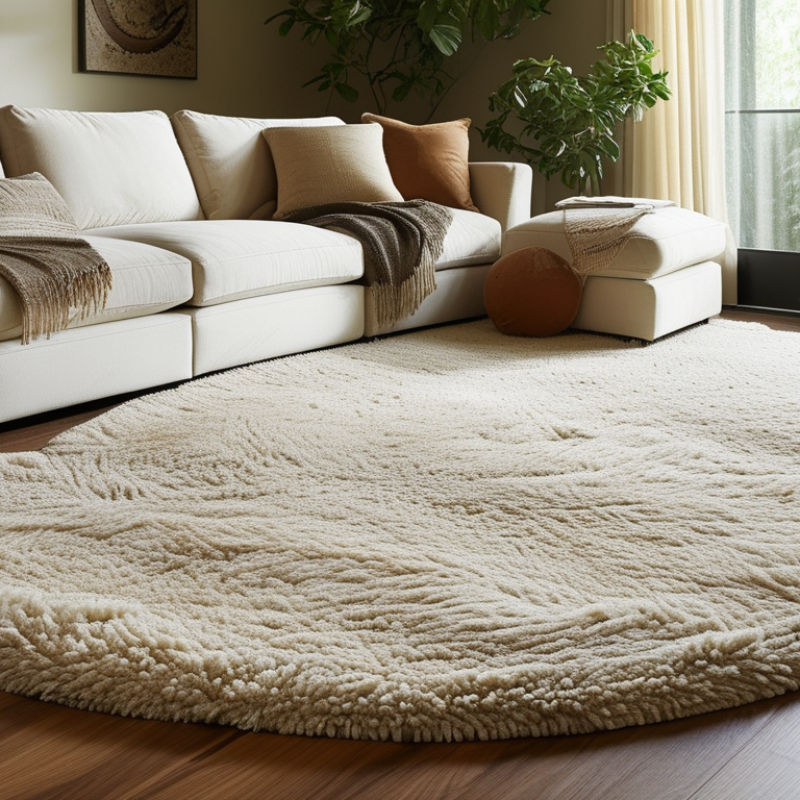
Soft carpets can transform a space. They add warmth and comfort underfoot. But with various types, making a choice can be challenging. Understanding the options is essential.
Wool carpets are natural and durable. They feel soft and provide excellent insulation. Many love their luxurious touch. However, wool requires special cleaning. It's sensitive to moisture and stains. Synthetic options like nylon are also popular. They are stain-resistant and easier to clean. Yet, they may lack the same softness.
Another type, polyester, is budget-friendly. It is available in vibrant colors and patterns. However, polyester carpets can wear out quickly. Berber carpets offer a looped style, providing durability and a unique texture. They might not feel as fluffy, but they hold up well in high-traffic areas. Each type has its strengths and weaknesses. Choose wisely for your home needs.
Choosing the right soft carpet involves several critical factors. One of the most important considerations is the carpet's fiber type. Common fibers include nylon, polyester, and wool. According to industry reports, nylon carpets are known for their durability and stain resistance, making them ideal for high-traffic areas. On the other hand, wool carpets offer luxurious softness and natural insulation. Each fiber has unique characteristics that can greatly affect comfort and maintenance.
Another key factor is carpet padding. It significantly impacts the carpet's longevity and comfort. A good padding can enhance the feel underfoot, reducing fatigue while walking. Research indicates that properly chosen padding can extend a carpet's life by up to 50%. It's essential to match the padding thickness to the carpet type for optimal performance. Color selection also plays a crucial role. Light colors can make a space appear larger, while darker shades can hide dirt more effectively. However, darker carpets might require frequent cleaning to maintain their appeal.
You may also want to reflect on how the style of your soft carpet aligns with your home's aesthetics. While trendy designs catch the eye, they may not stand the test of time. Carpet trends change frequently, and what seems appealing now might feel outdated in a few years. Balancing personal style with practical considerations will lead to more satisfying choices.
When evaluating carpet fibers, consider their durability. Some fibers withstand heavy foot traffic better than others. Nylon is popular for its resilience. It can handle daily wear and tear without losing its charm. However, it can feel stiffer than other options. That's a trade-off many homeowners face.
Softness is another crucial factor. Polyester offers a plush feel underfoot. It feels cozy and inviting, perfect for bedrooms and living areas. Yet, it may not be as durable as nylon. Over time, it could flatten with heavy use. You might find it harder to maintain its look.
Maintenance also plays a role in your decision. Natural fibers like wool can be both soft and durable. They resist dirt and stains to some extent. But, they require more care. Regular professional cleaning helps maintain their appearance. Contemplating these details allows for thoughtful choices. Balancing softness, durability, and upkeep enhances your home's comfort and style.
| Carpet Fiber | Durability | Softness | Maintenance | Ideal Use |
|---|---|---|---|---|
| Nylon | High | Moderate | Easy | High Traffic Areas |
| Polyester | Moderate | High | Moderate | Living Rooms |
| Olefin | Low to Moderate | Low | Easy | Outdoor and Basements |
| Wool | High | Very High | Moderate | Luxury Spaces |
Choosing the right carpet can transform your home. Color and design play a vital role in this process. A soft carpet with the right hue can brighten a room, while a darker shade brings warmth. Think about your existing decor. A bold color might clash with your furniture, while neutral tones could enhance it.
Patterns also matter. Geometric designs can add a modern touch, while floral prints create a cozy atmosphere. Consider your lifestyle. Families with pets may prefer darker colors or patterns that hide stains. You might fall in love with a design, but it may not fit your space. It's essential to visualize how colors interact in natural light.
Try samples in your home. Lighting changes throughout the day, affecting how colors look. A carpet that seems perfect in the store might disappoint in your living room. There’s room for trial and error. Don’t rush the decision. Finding the ideal carpet requires patience and reflection. Your choices will define your home’s vibe for years to come.
Budgeting for your soft carpet involves understanding the costs associated with different materials and styles. According to a recent industry report, soft carpets typically range from $2 to $10 per square foot, depending on factors like fiber type and pile height. While natural fibers like wool offer luxurious comfort, they can be more expensive. Synthetic options, like nylon or polyester, are more affordable and often more durable.
Consider the long-term value of your investment. Higher-quality carpets may cost more upfront but can last longer and resist staining. Research shows that investing in quality soft carpet can increase your home's resale value, providing a return of up to 20% in some cases.
Tip: Always compare prices from various suppliers before making a purchase.
Don't overlook installation costs, which can add $1 to $4 per square foot. DIY installation can save money, but poor installation can result in costly repairs.
Tip: Watch online tutorials to improve your DIY skills for flooring installation.
Keep maintenance in mind as well. Higher-end carpets may require professional cleaning, which adds to long-term expenses. Budgeting carefully can help balance upfront costs with ongoing maintenance.
: Common types include wool, nylon, polyester, and Berber carpets. Each has unique attributes.
Wool carpets are natural, durable, and provide excellent insulation. They feel luxurious but need special care.
Nylon is known for its resilience and can withstand heavy foot traffic. However, it may feel stiffer.
Polyester is budget-friendly and offers vibrant colors. However, it may wear out faster than other options.
Berber carpets feature a looped style. They are durable but less fluffy, making them suitable for high-traffic areas.
Costs typically range from $2 to $10 per square foot, depending on the fiber type and pile height.
Natural fibers require regular professional cleaning, while synthetic options need less intense care but may flatten over time.
Yes, installation can add $1 to $4 per square foot. DIY can save money but may lead to issues if poorly done.
Investing in quality carpets can enhance resale value, with returns up to 20% in some cases.
Watching online tutorials and practicing can enhance your skills, saving on installation costs in the long run.
Choosing the best soft carpet for your home involves understanding the various types available, which range from plush to berber options. It's essential to consider factors such as durability, softness, and maintenance when evaluating carpet fibers. These aspects determine not just the comfort of the carpet but also its longevity and ease of care.
Additionally, the aesthetic appeal of your space can be significantly enhanced by selecting the right color and design options for your soft carpet. This choice should reflect your personal style while complementing your home’s decor. Finally, establishing a budget is crucial; it’s important to perform a cost analysis to ensure you find a soft carpet that provides great value without compromising on quality.
