
Oak Flooring Vinyl combines the warm appearance of natural oak with the practical structure of modern luxury vinyl flooring. Its printed grain can resemble brushed boards, pale honey tones, or weathered European oak. Underfoot, however, it feels different from solid timber. It is usually softer, quieter, and more forgiving around everyday spills.
Dr. Brett Miller, a flooring education specialist, offers a useful warning: “Waterproof flooring still depends on careful installation and protected seams.” That distinction matters. Many Oak Flooring Vinyl products have waterproof cores, often made from rigid composite materials. Yet water can still reach the subfloor through gaps, damaged edges, or poorly sealed transitions. A waterproof plank is not automatically a waterproof room.
The real answer depends on the product and the installation. Check the manufacturer’s written specifications. Look for details about bathrooms, kitchens, moisture barriers, and warranty limits. Click-lock joints should close firmly, without visible ridges or open lines. In a kitchen, wipe standing water quickly. In a bathroom, inspect the perimeter and doorway carefully.
The label can mislead.
A thicker wear layer may improve durability, but it does not fix uneven subfloors. A realistic oak pattern may look convincing in a showroom, yet lighting can expose repeated grain images at home. That is an easy detail to miss. This guide examines what Oak Flooring Vinyl is, how waterproof construction works, and where its practical limits appear in real rooms.
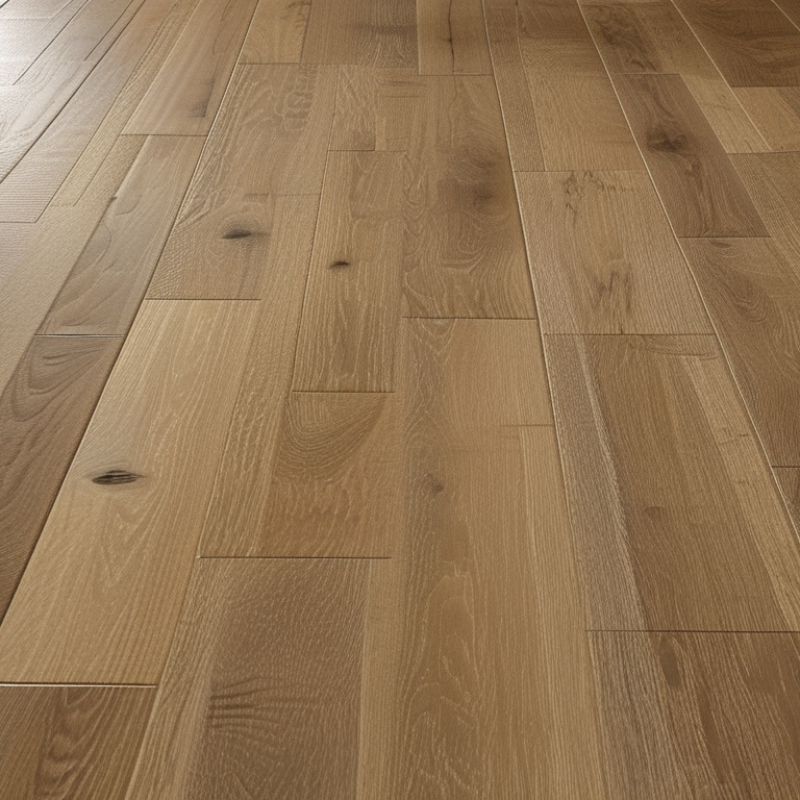
Oak vinyl flooring is resilient flooring designed to resemble natural oak. It does not usually contain solid oak. Instead, manufacturers print an oak grain onto a decorative film above a vinyl core. A transparent wear layer protects the image from scuffs, stains, and household traffic. Some products use flexible vinyl, while others use rigid stone-plastic or wood-plastic composite cores.
The details matter. A 2023 global market assessment valued the vinyl flooring market at about 40.79 billion U.S. dollars in 2022. It also projected approximately 7.4% annual growth through 2030. This demand reflects vinyl’s practical appeal, including realistic wood visuals and simpler maintenance.
Still, the label can mislead. Oak describes the appearance, not automatically the product’s water resistance. Flooring classified for wet areas should be checked against relevant performance standards, such as ASTM F3261.
Waterproof claims also depend on locked joints, sealed edges, and a dry, level subfloor. Water may enter through gaps around toilets, cabinets, or damaged seams. A careful installer checks those areas before fitting planks. Small mistakes matter. Cleaning remains simple, but standing water should not be treated as harmless. Manufacturers’ technical sheets deserve more attention than showroom samples.
Oak vinyl flooring uses a printed oak pattern over a resilient vinyl surface. It does not contain real oak timber. Designs may show knots, pale grain, honey tones, smoked shades, or weathered marks. Some planks include embossed textures. These textures follow the printed grain and feel more natural under bare feet.
Common options include glue-down planks, click-lock planks, SPC, and WPC. Glue-down flooring suits stable, well-prepared rooms. Click-lock planks usually install faster. SPC has a rigid stone-plastic core and resists dents well. WPC feels slightly softer and warmer. Tile-sized pieces are also available in some collections.
It is often highly water-resistant, but not automatically flood-proof. The vinyl surface absorbs very little water. However, joints, cut edges, wall gaps, and damaged seams can allow moisture underneath. Standing water from a leaking appliance can cause serious problems. Check the product’s exact waterproof definition and exposure limits.
Many products suit bathrooms when installed correctly. Use a bathroom-compatible installation method. Protect vulnerable transitions and permitted perimeter areas. Keep water away from open edges. Wipe puddles quickly. A good plank cannot compensate for poor sealing or trapped moisture.
Check the wear-layer thickness, construction type, and subfloor requirements. A thicker wear layer usually suits hallways and active kitchens better. SPC can resist dents from furniture and frequent traffic. Deep embossing looks realistic, but it may hold dust. The most attractive sample may not be the easiest to clean.
Measure moisture levels, especially over concrete. Correct major unevenness before laying planks. Small defects may appear later as visible lines or soft spots. Confirm expansion gaps and edge-treatment instructions. Prepare carefully. This part is often underestimated.
Sweep with a soft broom or vacuum regularly. Use a damp microfiber mop for everyday cleaning. Do not soak the floor. Avoid abrasive powders, wax, and harsh solvents. Wipe spilled coffee promptly. Felt pads under chair legs help reduce scratches. Mats near entrances trap grit and small stones.
Test samples beside windows and warm light bulbs. Lighting can change pale oak into a yellowish or darker shade. Rustic patterns show knots and dark lines. Cleaner patterns create a calmer appearance. Embossed grain adds texture underfoot. I once trusted a small sample too quickly. It looked different across the room.
Inspect seams and edges occasionally for lifting, swelling, or trapped moisture. Keep one spare plank for future repairs. Replacement areas may remain slightly visible. Do not drag heavy furniture across the floor. Use lifting straps or protective sheets instead. Repairing early is usually less frustrating.
Oak vinyl flooring is a resilient flooring option designed to reproduce the natural grain, knots, and warm tones of real oak while offering easier installation and maintenance. It is made by combining multiple layers, including a durable protective wear layer, a printed oak pattern, a stable vinyl core, and sometimes an attached backing for added comfort and sound reduction. This construction gives it a realistic appearance without the cost and upkeep associated with solid wood. Available styles include planks, tiles, rigid-core products, flexible vinyl, and designs with varied colors, textures, and plank widths.
The term Oak Flooring Vinyl generally describes vinyl flooring with an oak-inspired finish rather than genuine timber. Many products are highly water-resistant, and some are fully waterproof when properly installed with sealed seams and suitable subfloor preparation. However, water can still cause problems if it reaches the edges, gaps, or underlying materials. When choosing flooring, consider thickness, wear-layer strength, texture, installation method, room conditions, and warranty coverage. Regular sweeping, prompt spill removal, and gentle cleaning with approved products will help preserve its appearance and performance.
