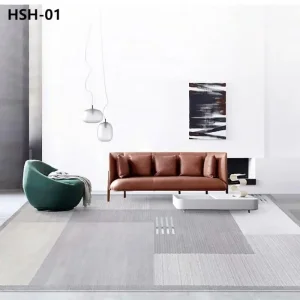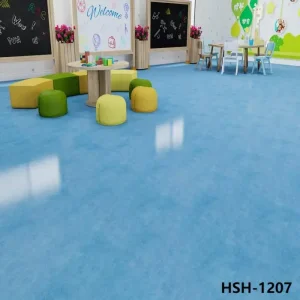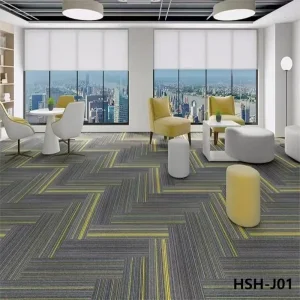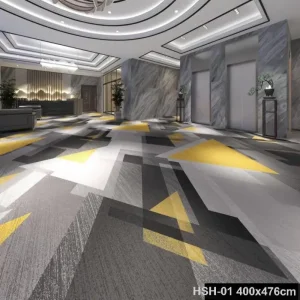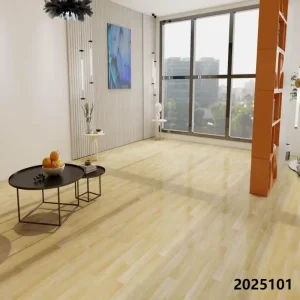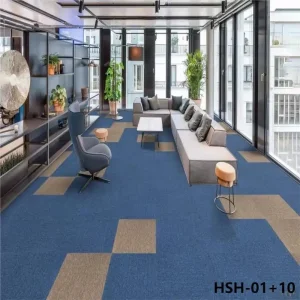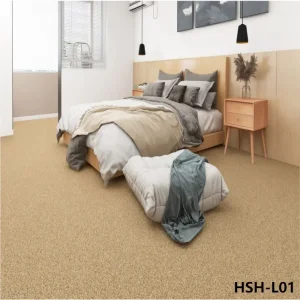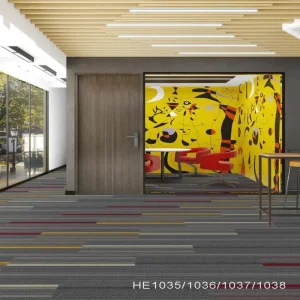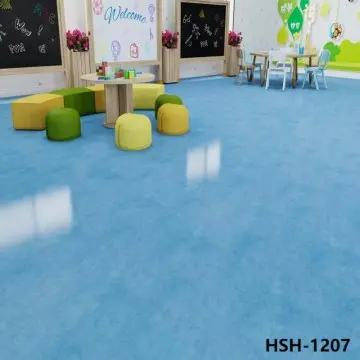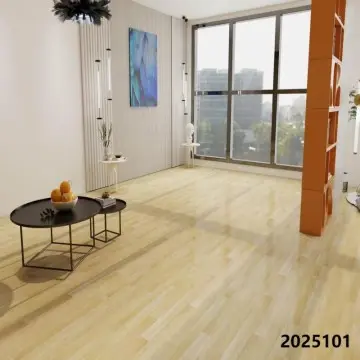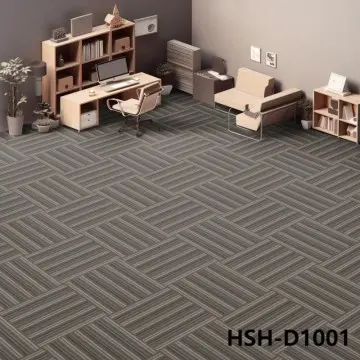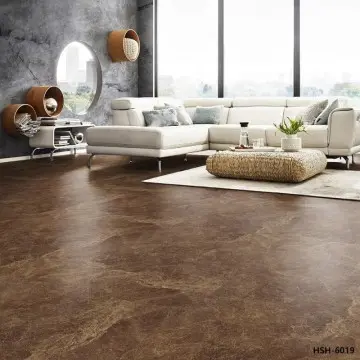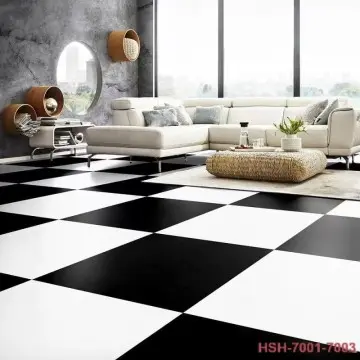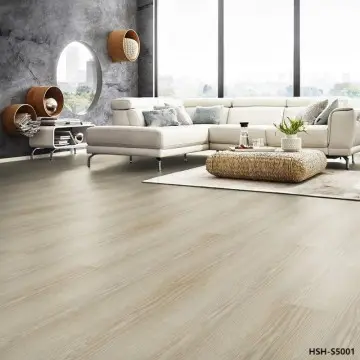
In the modern architectural landscape, the demand for Interlocking Vinyl Tile (LVT/SPC) has transitioned from a residential trend to a global commercial and industrial necessity. As a leading China Interlocking Vinyl Tile Manufacturer, Hongshenghe Flooring has observed a significant shift in user intent: buyers are no longer just looking for "flooring"; they are seeking rapid-deployment surfacing solutions that offer dimensional stability, moisture resistance, and acoustic performance.
Globally, the interlocking flooring market is projected to grow at a CAGR of 6.5% through 2030. In North America and Europe, strict labor laws and high installation costs have made "Click-system" interlocking tiles the preferred choice for retail chains, healthcare facilities, and industrial warehouses. In Asia, the boom in high-tech manufacturing cleanrooms has spiked the demand for ESD (Electrostatic Discharge) interlocking vinyl tiles.
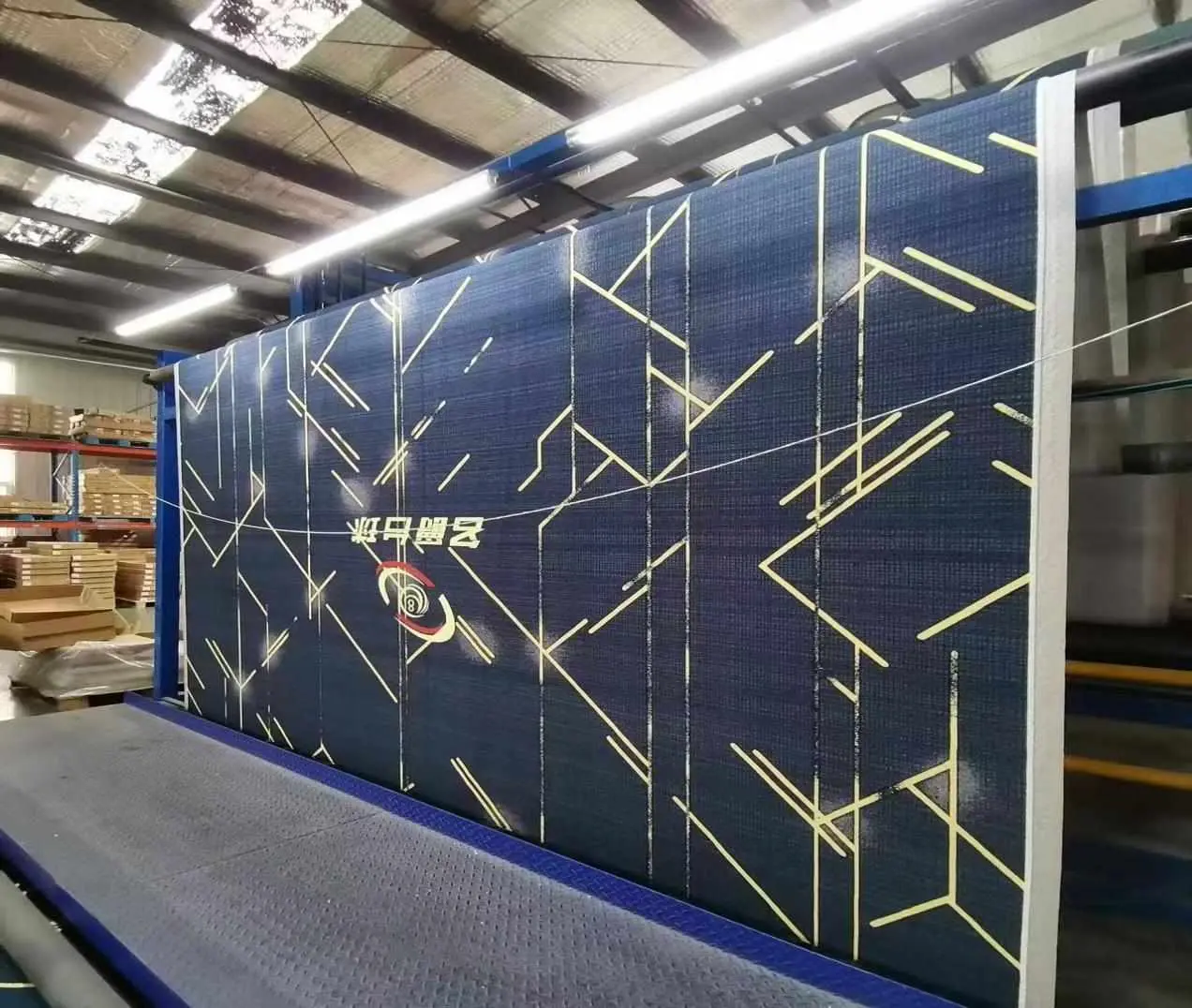
Why do global enterprises turn to China Interlocking Vinyl Tile Factories? It's not just about cost—it's about Information Gain through supply chain integration. At Hongshenghe, our manufacturing process combines material science with fine chemical technology. With an annual capacity of 20 million square meters, our factories utilize imported high-precision extrusion equipment that ensures each interlocking joint has a tolerance of less than 0.05mm, ensuring a seamless, "no-glue" installation that lasts for decades.

Our storage capacity of 30 million square meters and imported equipment ensure we meet large-scale procurement needs with a 0% delay rate.

85% of raw materials are natural. Our PUR coating technology reduces energy consumption and chemical detergent reliance during maintenance.

We provide full-spectrum import/export services, from customized pattern design to logistics and customs inspection for global brands.
Short production cycles meet fast-delivery demands without compromising the long service life of the interlocking mechanisms.
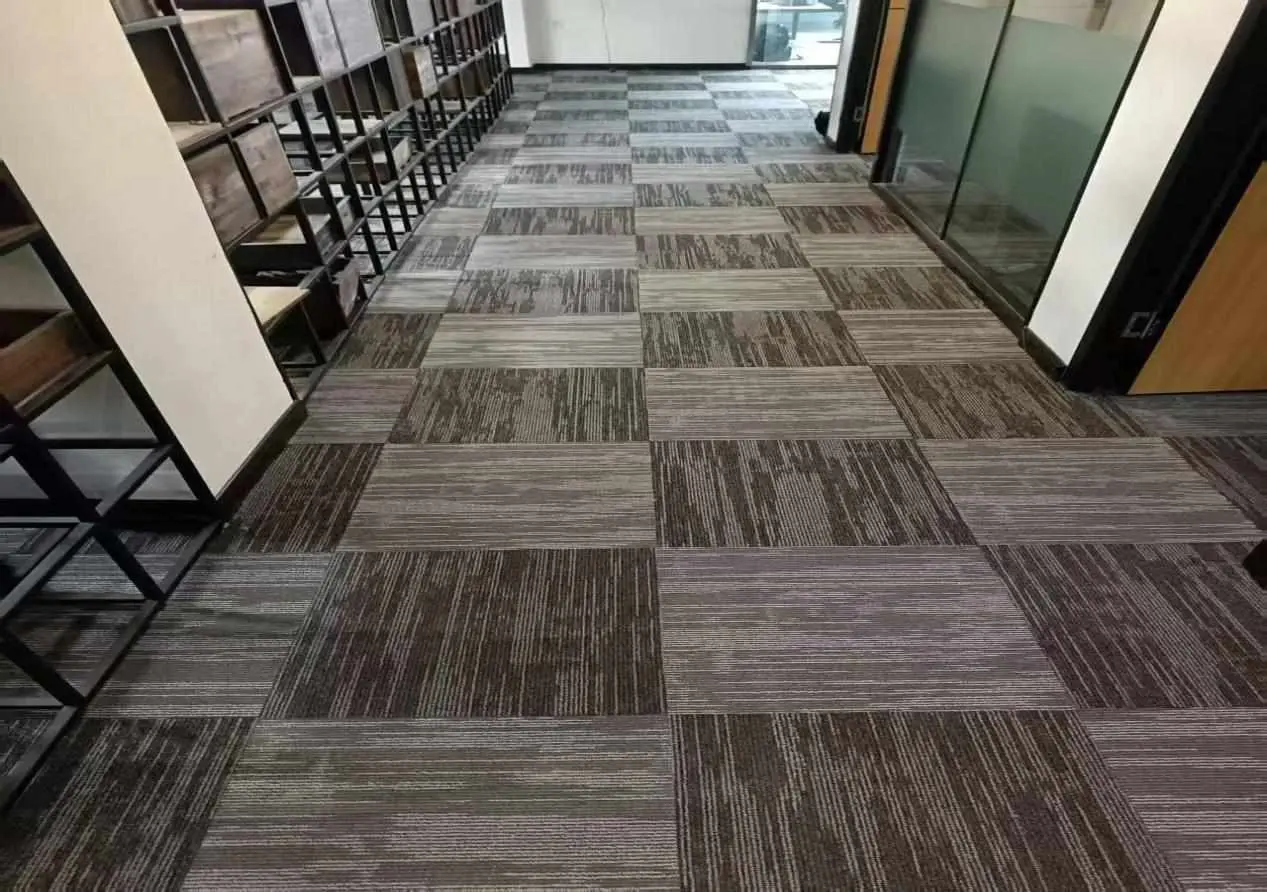
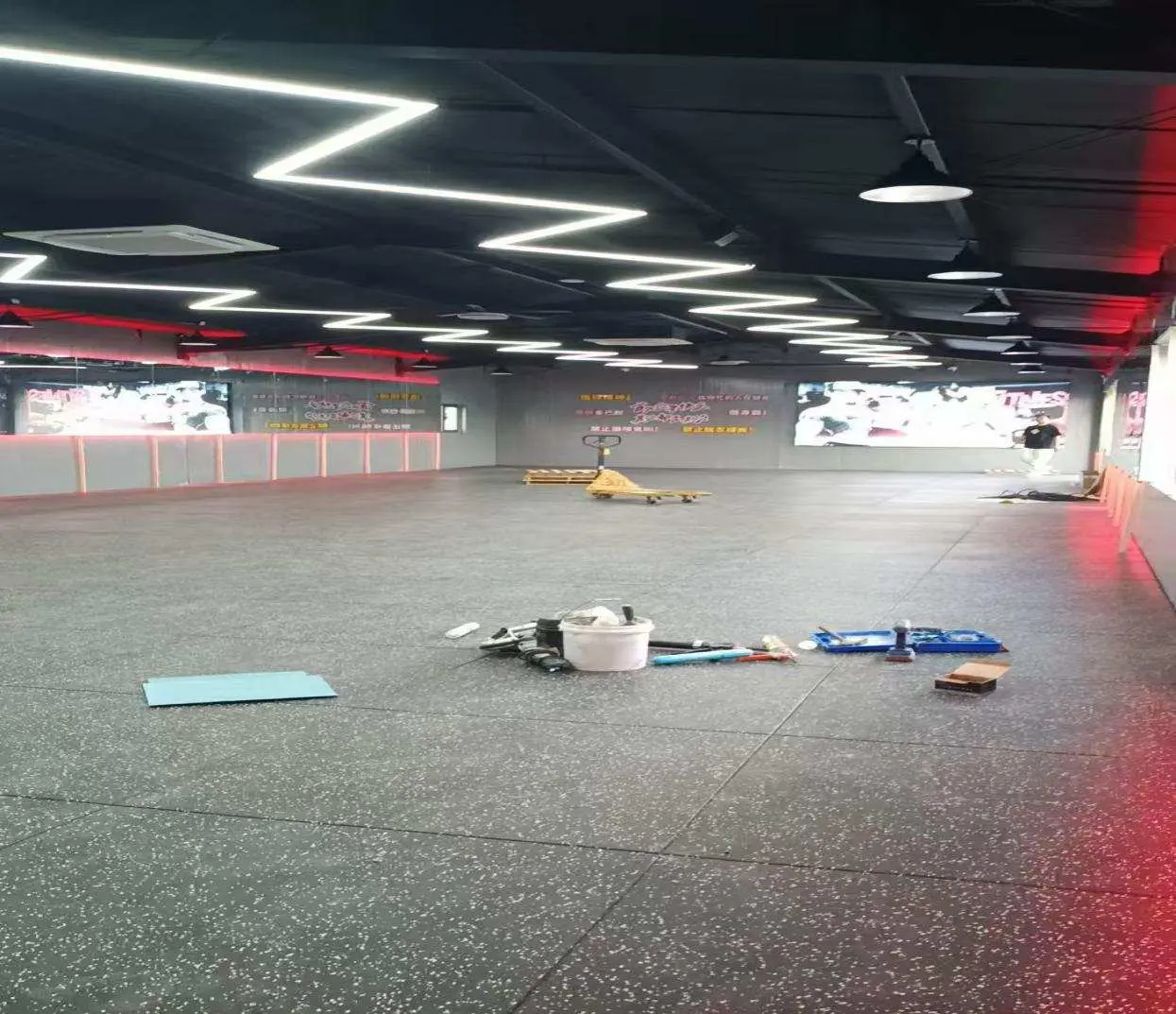
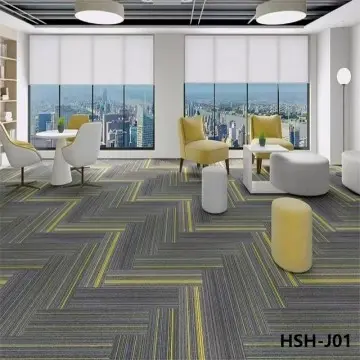
Our interlocking vinyl tiles are engineered for diverse environments:
The industry is moving toward "Smart Flooring". We are currently researching the integration of sensory layers within vinyl tiles for smart home and warehouse management. Additionally, the move toward circular economy manufacturing—where 100% of the tile is recyclable—is no longer optional; it is the cornerstone of our R&D strategy.
When sourcing from a China Interlocking Vinyl Tile Factory, professional buyers should prioritize three metrics: 1. Wear Layer Thickness: Commercial projects require a minimum of 0.5mm. 2. Locking Strength: Measured in Newtons; our tiles exceed industry standards by 20%. 3. VOC Emissions: Ensure FloorScore® or similar certification for indoor air quality.
A1: Yes, as long as the subfloor is flat, dry, and structurally sound. Our interlocking system acts as a "floating floor," requiring no adhesives.
A2: We use spectrophotometer-controlled printing processes and maintain strict lot-number tracking to ensure 99.9% color matching for projects over 10,000 SQM.
A3: Typically, our production cycle is 15-25 days, depending on the complexity of the pattern and backing material.
A4: Yes, our vinyl tiles have excellent thermal conductivity and remain stable up to 30°C (86°F).