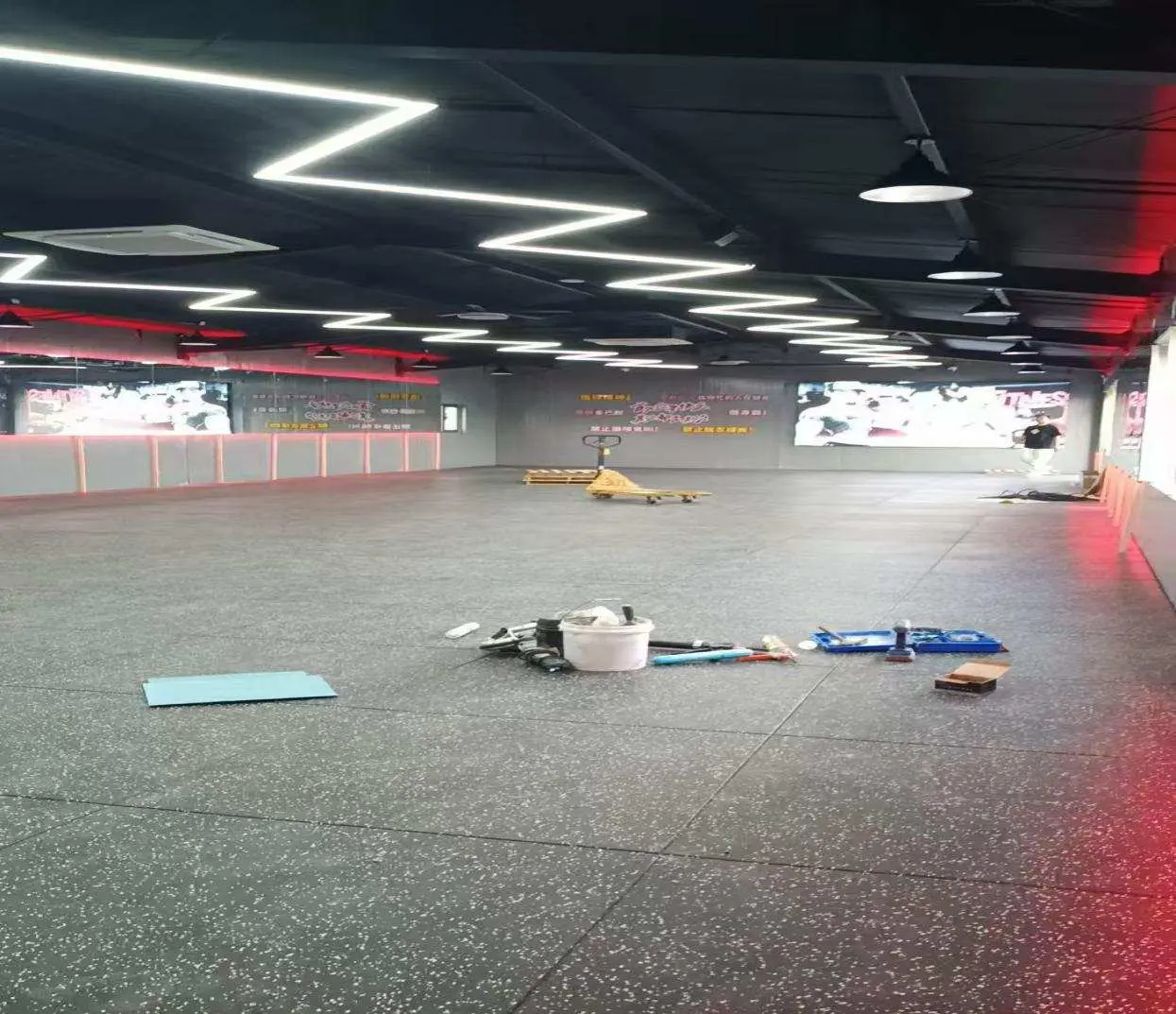
The "Stone Carpet"—technically known as resin-bound aggregate surfacing—has transitioned from a niche landscaping aesthetic to a multi-billion dollar industrial and commercial necessity. As urban centers face increasing pressure for Sustainable Urban Drainage Systems (SuDS), stone carpets provide a unique intersection of permeability and high-load durability. In 2024, the global market for decorative and functional resin surfacing is projected to see a CAGR of 6.8%, driven by innovations in UV-stable aliphatic resins and recycled aggregate sourcing.
China, led by innovative manufacturers like Hongshenghe Flooring, has emerged as the epicentre of this transformation. By integrating advanced polymer chemistry with China's vast mineral resources, exporters are now providing high-performance solutions that compete directly with traditional European counterparts in terms of tensile strength and color longevity.
Current industrial trends indicate a massive shift toward bio-based polyurethanes. The demand in Europe and North America focuses on ecological footprints, while the Middle East and SE Asia prioritize heat resistance and high-traffic resilience for public infrastructure.
Leveraging specialized supply chains, Chinese exporters provide "System Solutions" rather than just materials. This includes precision-graded quartz, granite, and marble mixed with localized VOC-compliant resins optimized for specific climate zones.
Unlike traditional asphalt or concrete, stone carpets allow water to percolate through the surface at rates of up to 850 liters/sqm/minute, effectively mitigating urban heat island effects and reducing runoff risks.
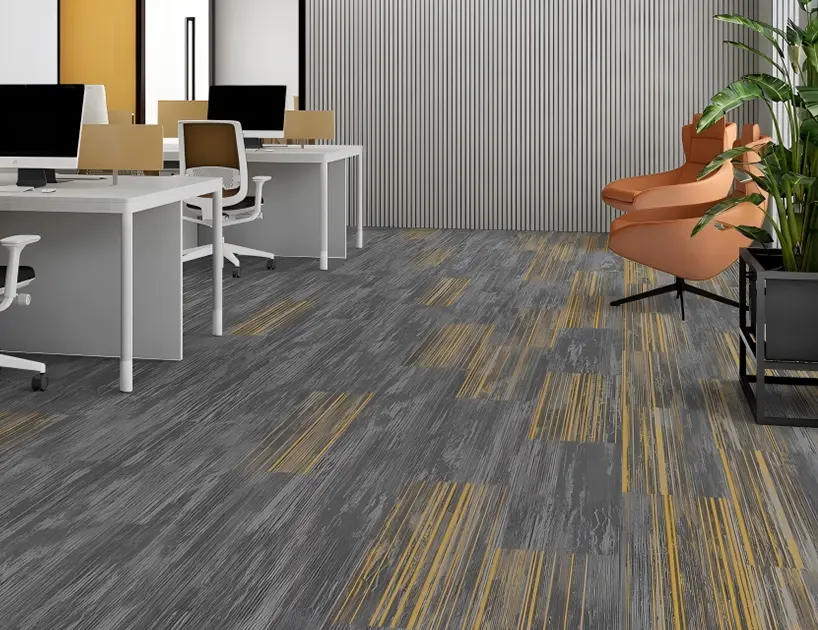
Founded on a vision of global reach, Hongshenghe Flooring has spent over 10 years perfecting the art of PVC and resin-based surfacing. With a dedicated research and development wing, we bridge the gap between material science and architectural design.
Annual Capacity (SQM)
Professional Teams
Years Establishment
Ready Inventory (SQM)
Migration from epoxy-based systems to 100% UV-stable Aliphatic Polyurethanes. This ensures that outdoor stone carpets do not yellow or become brittle under intense solar radiation.
Utilizing machine learning to analyze architectural surroundings and suggest aggregate blends that harmonize with natural light cycles and local stone geology.
Focusing on 100% recycled glass and sea-bound plastic aggregates, bound by plant-derived resins. The goal is a carbon-negative flooring system that meets Net-Zero construction standards.

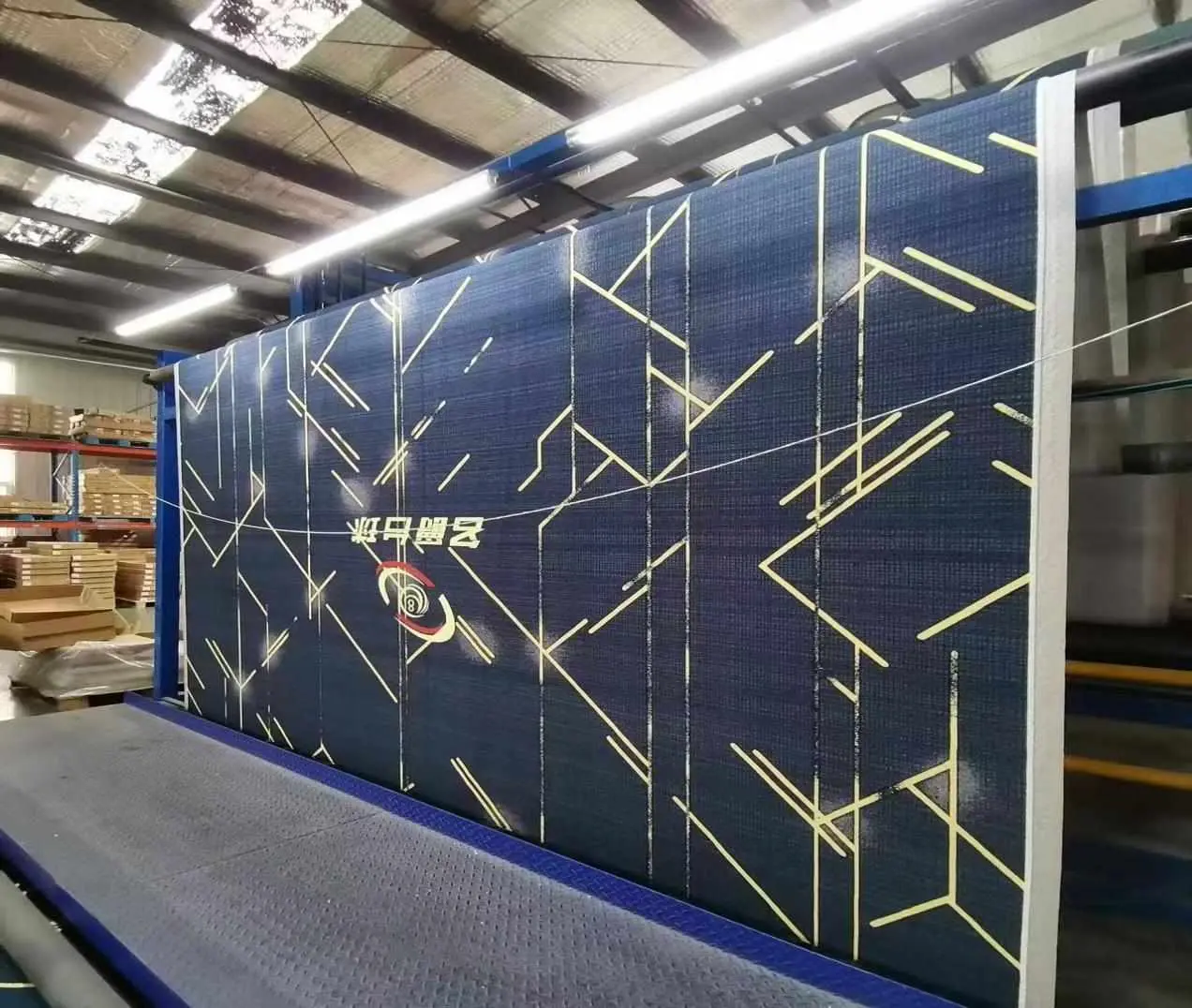
Imported equipment ensuring an annual capacity of 20 million square meters with micron-level consistency.

85% natural raw materials. Recycled packaging and PUR coating technology to minimize detergent reliance.

Professional service teams providing tailored designs and rapid prototyping for global distributors.
High-quality stable structures designed for long service life even in extreme high-traffic environments.
When installed correctly using high-quality aliphatic resins, a stone carpet can last 15-25 years. The lifespan is largely dependent on the quality of the sub-base and the resin-to-stone ratio during the mixing phase.
Stone carpets are frost-resistant. Because they are porous, water drains through rather than freezing on the surface, which prevents the "heave" common with concrete. Maintenance involves simple power washing once or twice a year.
Yes, but the thickness must be adjusted. For pedestrian use, 15mm is standard; for driveways and light vehicles, 18-20mm is required over a reinforced base to ensure structural integrity.
Beyond cost, the primary advantage is the integrated manufacturing of both the polymer binder and the aggregate processing. This allows for tighter quality control and customized chemical formulations for specific international climates.