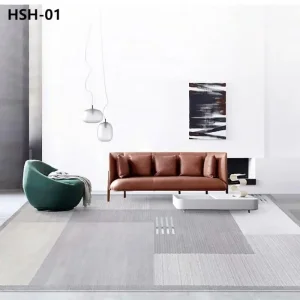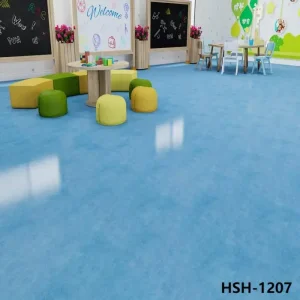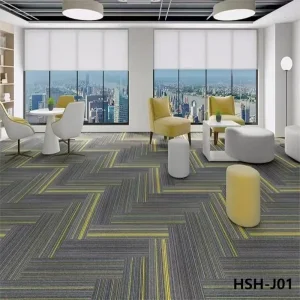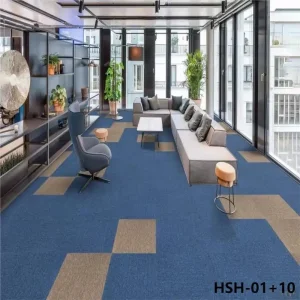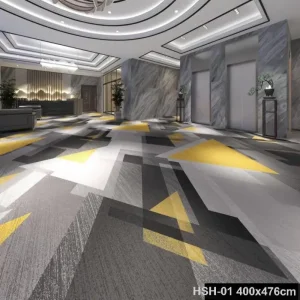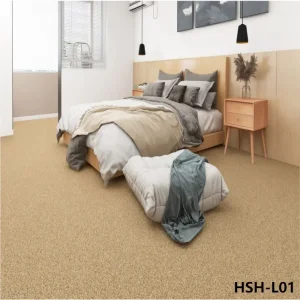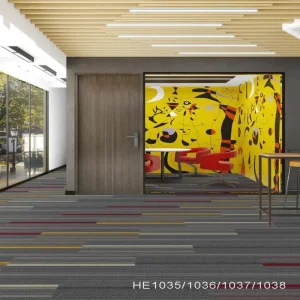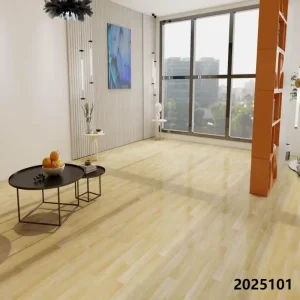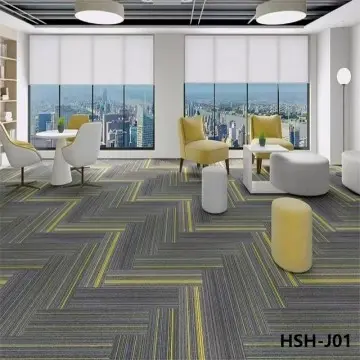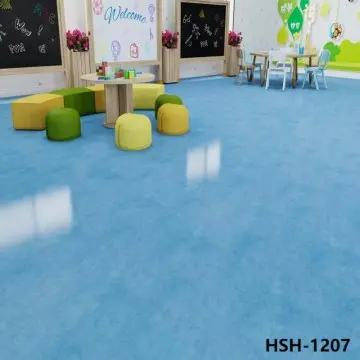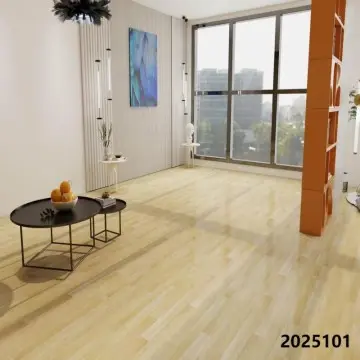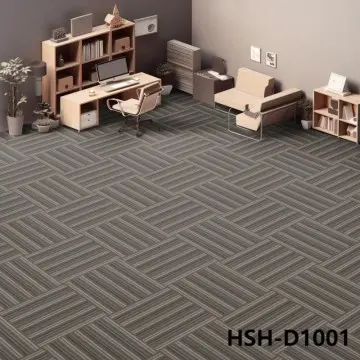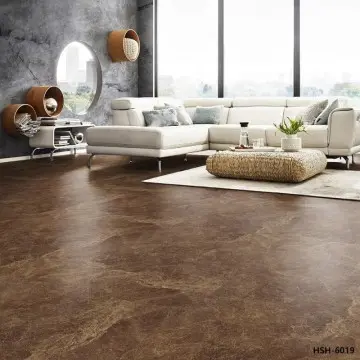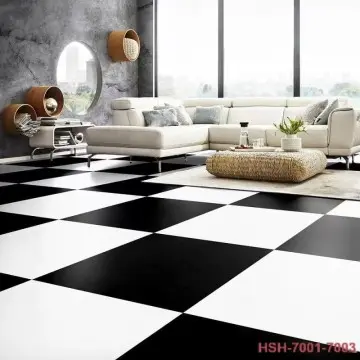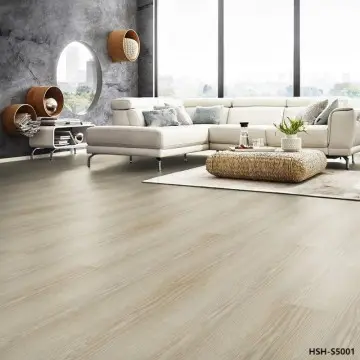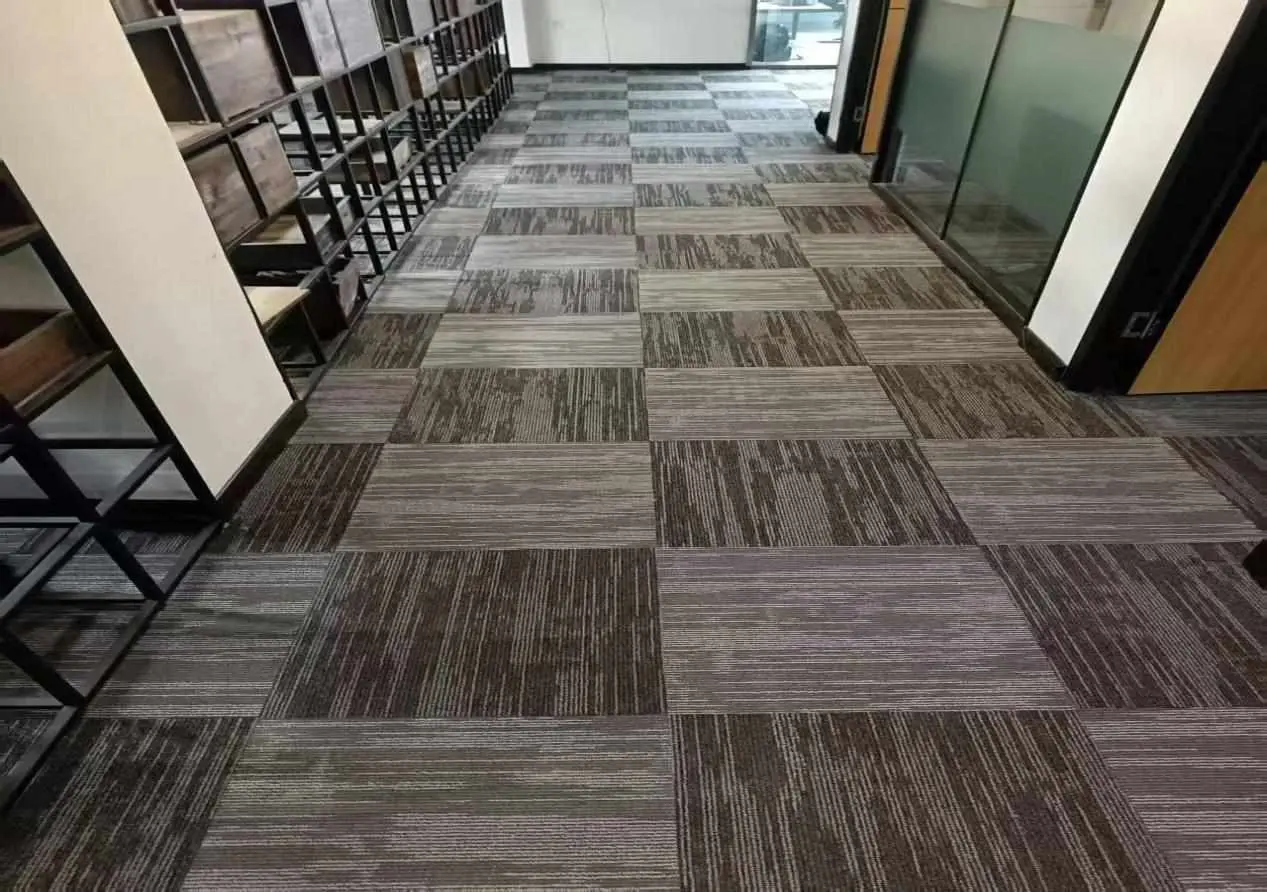
The global flooring industry has witnessed a paradigm shift towards resilient materials, with Vinyl Wood Planks (LVT/SPC/WPC) emerging as the dominant category. As a leading China Vinyl Wood Planks Factory, Hongshenghe Flooring is at the forefront of this transformation, integrating AI-driven design with high-performance polymer engineering. This white paper explores the current industrial landscape, technical roadmaps, and the future of sustainable architectural surfaces.
The demand for vinyl wood planks has surged post-2020, driven by the "Resilient Revolution." Commercial sectors, including hospitality, healthcare, and retail, are abandoning traditional hardwood and stone for high-definition vinyl. The global market is projected to reach USD 48.5 billion by 2028. China remains the primary global exporter, accounting for over 70% of the world's LVT and SPC production capacity. The key competitive edge lies in supply chain vertical integration—from raw resin processing to final wear-layer application.
High-traffic areas require AC4/AC5 wear ratings, achieved through nano-ceramic bead technology in our PUR coatings.
Transitioning from ortho-phthalates to bio-based plasticizers, ensuring LEED and FloorScore certifications for green building.
AI-enhanced texture mapping allows for 100% realistic wood grain reproduction without the ecological cost of deforestation.
Modern Vinyl Wood Planks are no longer simple plastic strips. They are multi-layered composite systems. The technical roadmap currently focuses on Rigid Core Evolution. SPC (Stone Plastic Composite) provides unparalleled dimensional stability, while WPC (Wood Plastic Composite) offers superior foot comfort and acoustic insulation. Our factory utilizes the latest Double-Extrusion technology, which eliminates the need for glues between layers, significantly reducing VOC emissions.
Hongshenghe provides holistic surface solutions. Our approach integrates flooring with acoustic wall panels and modular transition systems. By leveraging Information Gain in our manufacturing process—such as real-time moisture control and automated spectrophotometry for color consistency—we ensure that large-scale industrial projects (100,000+ sqm) maintain uniform aesthetic integrity from the first plank to the last.
Understanding regional needs is vital for a global exporter. In the North American market, wide-plank (7-inch to 9-inch) formats with deep embossing are preferred. In contrast, the European market favors "Chevron" and "Herringbone" patterns with matte finishes. Our ODM/OEM services allow for precise localization, adapting core density and wear layer thickness to meet specific regional building codes and climatic conditions.
Founded in 2016, with over a decade of deep-rooted expertise in the Chinese domestic market, Hongshenghe Flooring has evolved into a global powerhouse for PVC surface solutions. We specialize in the R&D, production, and cross-border trade of high-performance vinyl flooring and customized textile solutions.
Reducing environmental footprint through natural raw material sourcing.
Enhanced durability with lower energy consumption during maintenance.
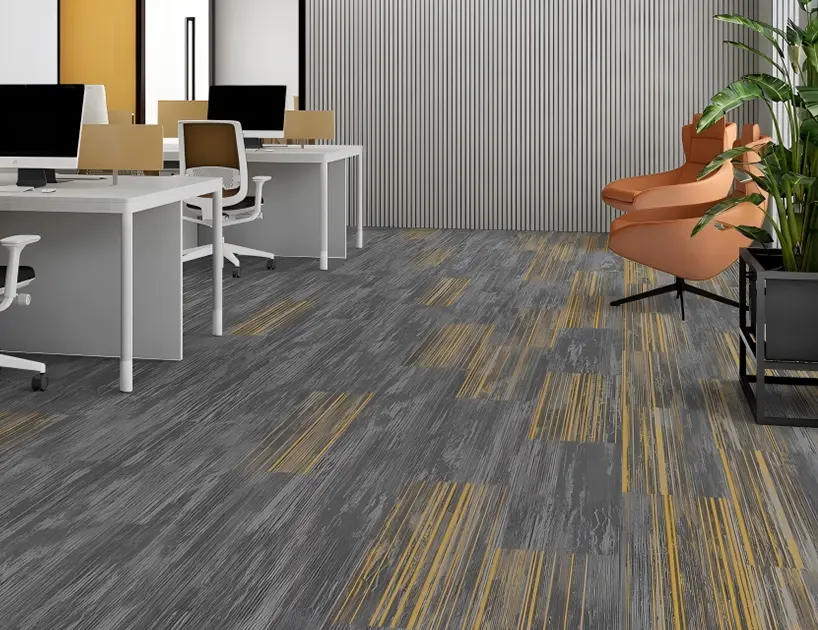

Imported precision equipment with an annual capacity of 20 million square meters. We maintain a constant stock of 30 million square meters to ensure rapid fulfillment.

Recycled paper packaging and natural raw material integration. Our PUR technology minimizes detergent use, reducing the chemical burden on the planet.

Fully customized design-to-delivery cycles. Our professional service team provides end-to-end support for bespoke architectural requirements.
Our production process merges materials science with textile engineering to create 100% recyclable flooring substrates.
Utilizing high-speed digital printing to achieve color richness that exceeds traditional analog methods, meeting personalized aesthetic needs.
Strict E0 grade emission standards ensure that our floors are safer for indoor air quality in residential and educational environments.
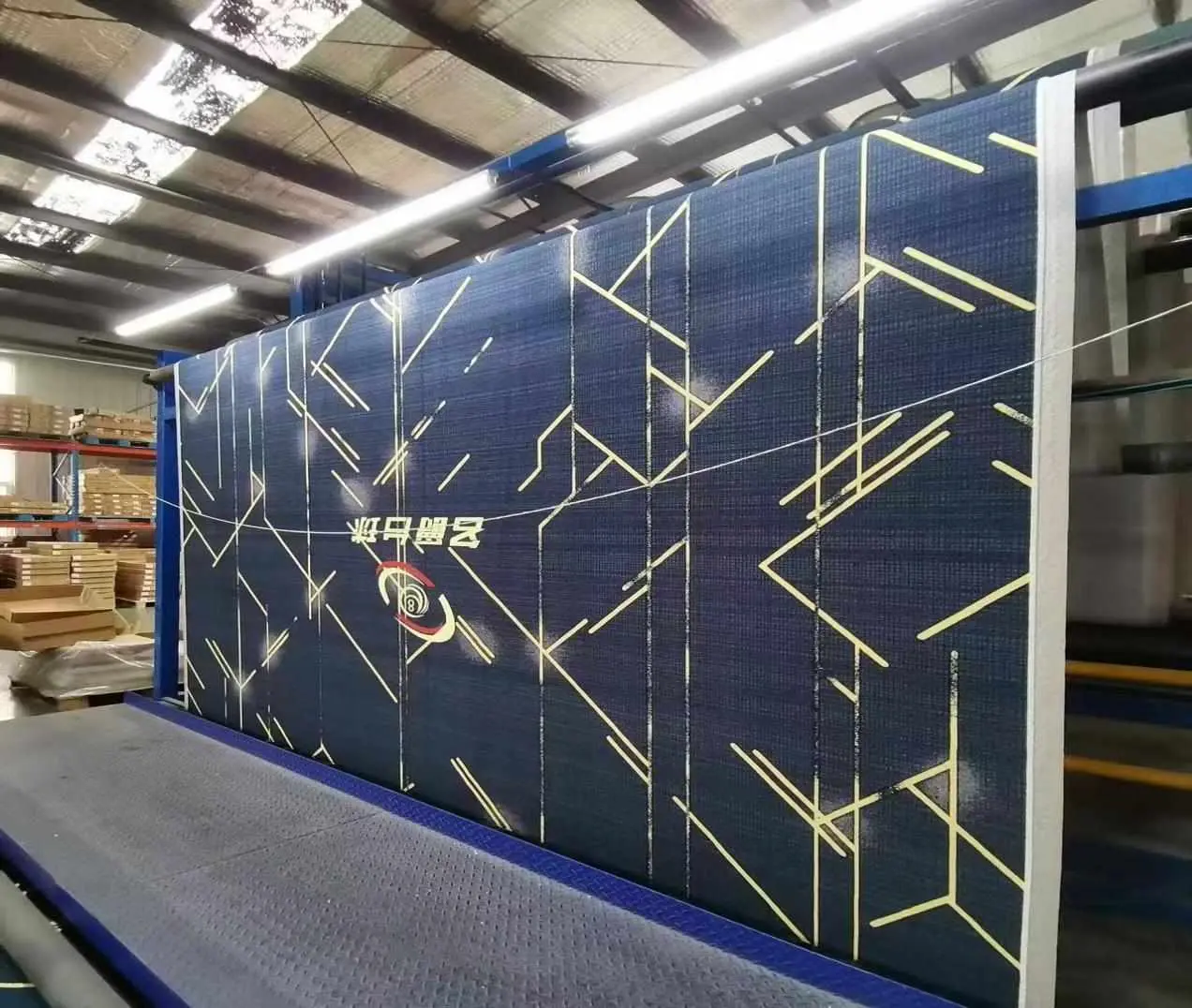
Boosting space ambiance through digital print aesthetics.
Read More ➔