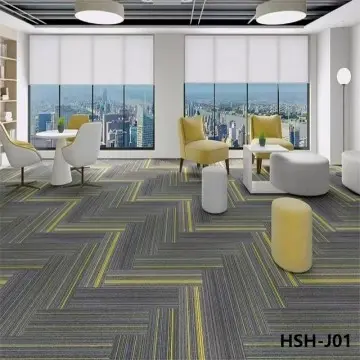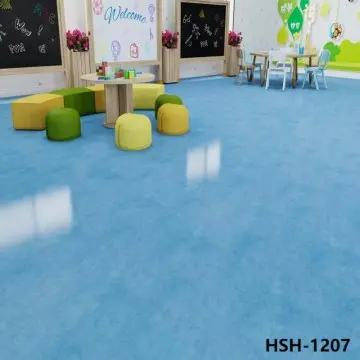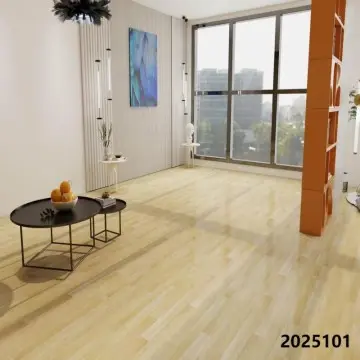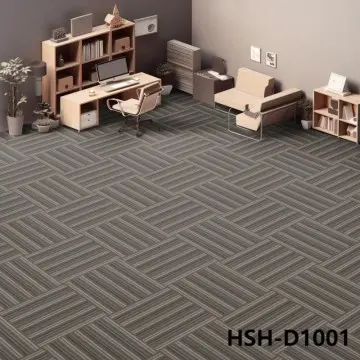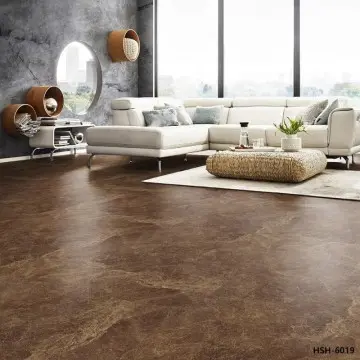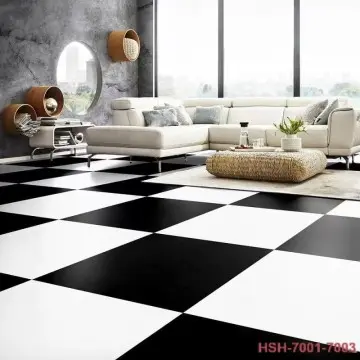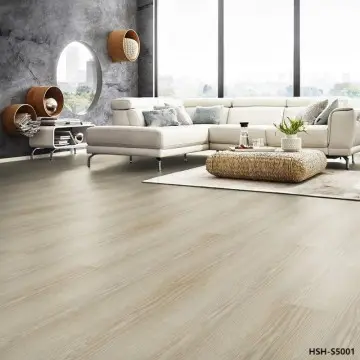
Explore our industrial grade resilient sheets, interlocking PVC tiles, and commercial-grade carpet collections manufactured to international standards.
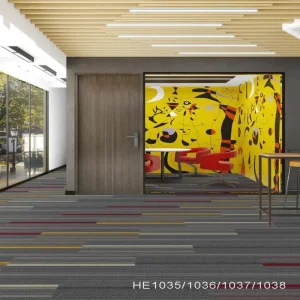
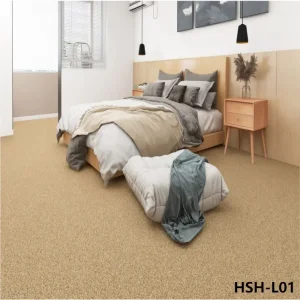
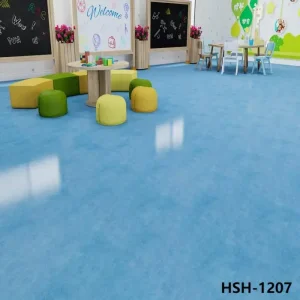
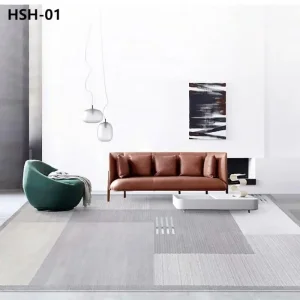
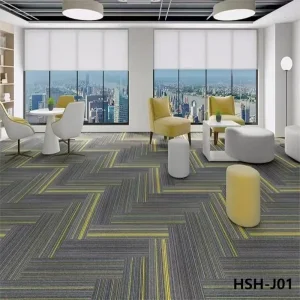
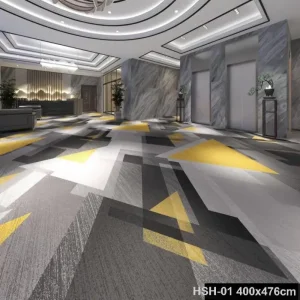
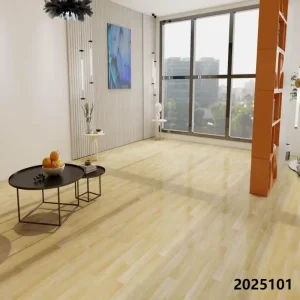
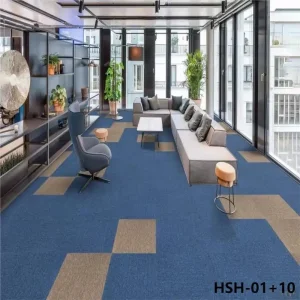
Founded in 2016 and leveraging over a decade of deep involvement in China’s architectural resilient surface industry, Hongshenghe Flooring has evolved into a global leader in high-performance surface solutions. We are a specialized manufacturer specializing in the research, development, and high-precision production of PVC sheet flooring, home carpeting solutions, and commercial-grade woven synthetic tiles.
Our commitment extends beyond manufacturing. We provide a full-spectrum international trade solution, spanning customized product design, strict QA/QC testing, complex international logistics, seamless customs clearance, and global regulatory compliance verification. Guided by a vision of fusing retro design aesthetics with next-generation polymer technology, we cater to demanding commercial, industrial, and residential developers worldwide.
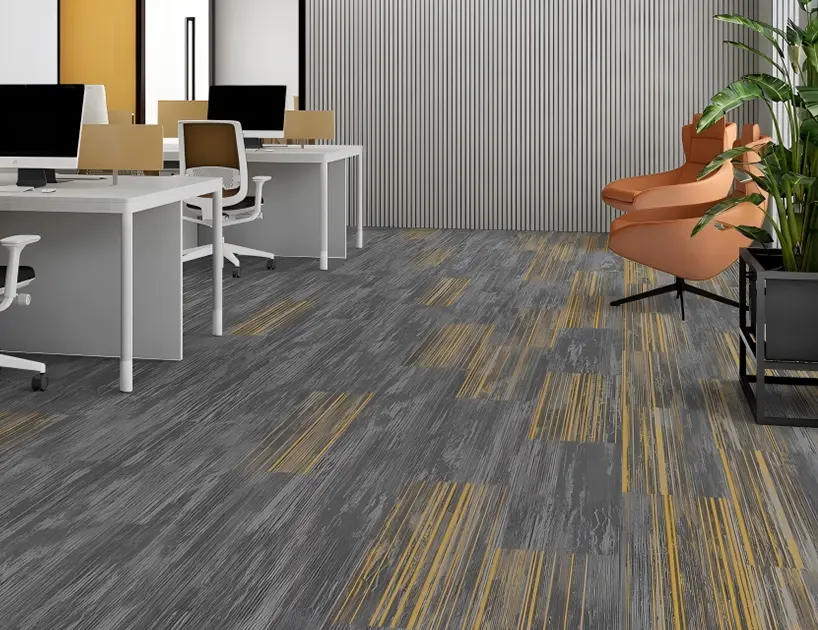
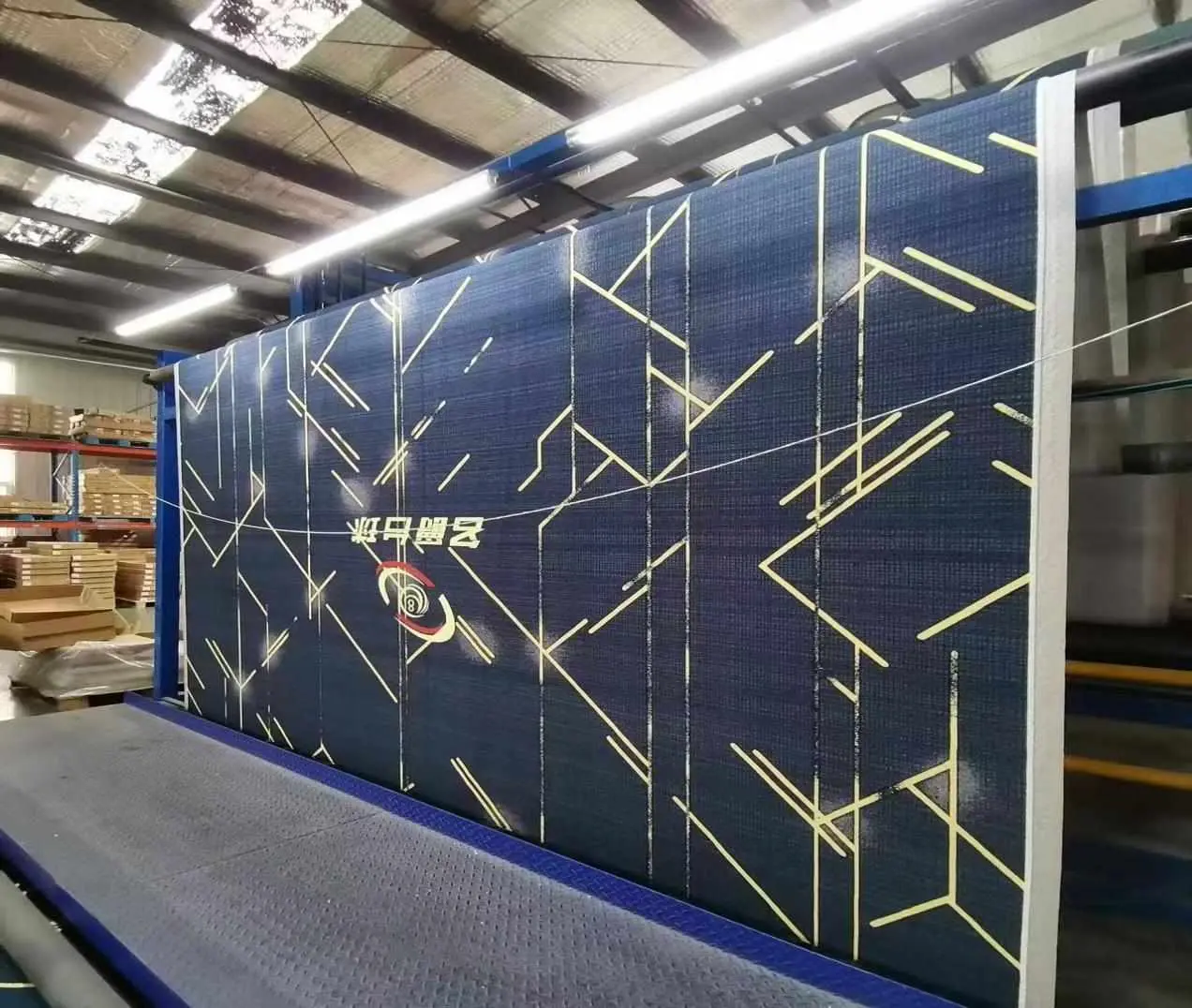
Sufficient raw material stock and state-of-the-art imported extrusion equipment.
Annual Capacity: Up to 20 million square meters.
Storage Capacity: Over 30 million square meters of raw stock.
Up to 85% of our raw materials are sourced from organic minerals and natural compounds.
Advanced PUR surface coating technology drastically cuts down water, detergent, and energy consumption.
Recycled fiber packaging ensures zero waste downstream.
Tailored patterns, wear layer variations (0.3mm to 0.7mm), custom acoustic backing, and interlocking locking systems.
Dedicated architectural design team coordinates color-matching for retro projects.
Engineered multi-layer structure prevents temperature-based expansion/contraction.
Rigid core guarantees resistance against indentation from heavy static loads.
Accelerated lead times coupled with comprehensive product lifespan warranties.
Combining structural chemistry, mechanical engineering, and visual design to create next-generation polymer flooring.
Our production combines material sciences and fine chemical recycling technology to utilize post-industrial vinyl scrap. This is re-processed to form high-density backing layers without compromising structural tensile strength.
Utilizing high-definition digital rotogravure printing, we replicate complex retro patterns, mid-century modern geometrics, terrazzo, and natural wood visuals. The print layer is protected by a crystalline mineral-infused wear layer.
By executing chemical crosslinking under controlled thermal cycles, we reduce the migration of plasticizers. This achieves ultra-low formaldehyde emissions, meeting EN 717-1 standard for indoor air safety.
The top layer features micro-embossing technology (EIR) that matches the visual patterns. This structure boosts mechanical grip under wet conditions, securing R9/R10 slip ratings.
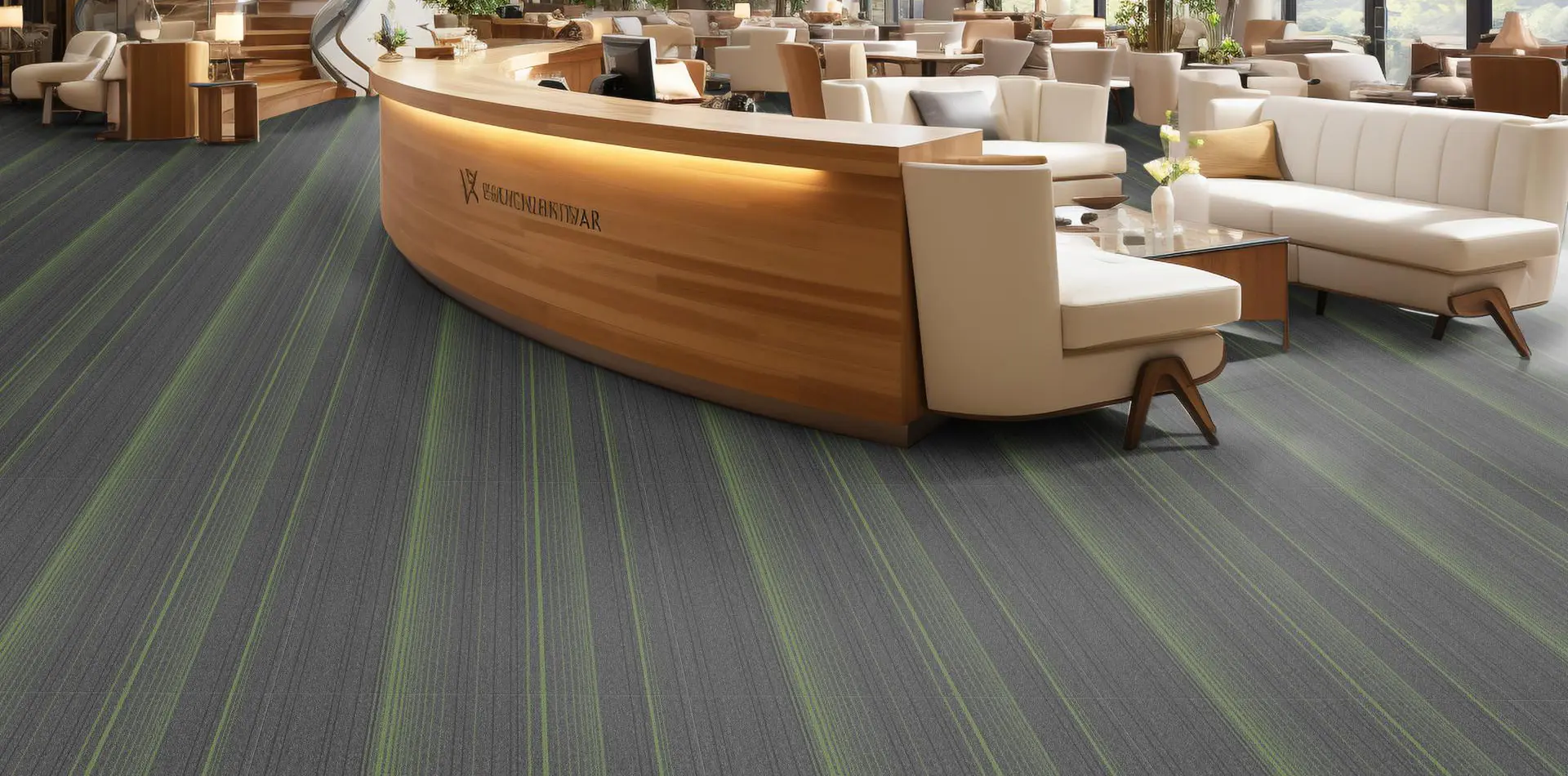
In modern architecture and commercial interior design, Retro Vinyl Flooring has emerged from a niche retro design concept into a mainstream industrial specification. As architects strive to construct spaces with strong historical references, there is growing demand for flooring that blends the visual appeal of 1950s retro styles, 1970s geometric patterns, and classic terrazzo textures with the performance of modern polymers.
The global market is experiencing significant growth, driven by expansion in the retail, hospitality, and residential sectors. In North America and Europe, the retro look is frequently used to create distinct identities for flagship retail outlets, boutique hotels, and modern offices. In the Asia-Pacific region, rapid urbanization and retrofitting of older structures have fueled demand for high-durability, cost-effective sheet vinyl. Modern retro vinyl is manufactured as heterogeneous PVC sheets or luxury vinyl tiles (LVT), engineered to withstand heavy foot traffic, static loads from fixtures, and chemical sanitizers without degradation.
Historically, retro floors were made of linoleum or early vinyl compositions containing heavy metal stabilizers. Today's manufacturing relies on rigid, multi-layered polymer matrices. The standard engineering stack consists of:
Different markets dictate specific physical properties. In European markets, slip resistance class R10 (DIN 51130) and low smoke emissions (Bfl-s1 according to EN 13501-1) are mandatory for educational and public spaces. In North America, ASTM F1303 compliance for sheet vinyl with backing is standard, requiring specific wear layer thicknesses and chemical resistance profiles under ASTM F925 testing protocols.
In healthcare environments, the focus is on seamless, heat-welded seams. Retro sheet vinyl is installed with coved wall bases, ensuring there are no joints or crevices where pathogens can multiply. The surface is treated with antimicrobial compounds to inhibit the growth of bacteria such as MRSA and E. coli, while remaining chemical-resistant to typical hospital disinfectants.
Our R&D department is actively shaping the next generation of resilient flooring systems through key technological milestones.
Transitioning 100% of our flexible PVC plastisol lines away from ortho-phthalates to bio-sourced plasticizers derived from agricultural castor and soybean oils, aiming for zero plasticizer emissions.
Implementing nano-particle modified wear layers that achieve high scratch resistance (Group T wear rating) with gloss levels below 5%, eliminating the plastic reflection common in vinyl surfaces.
Deploying direct digital embossing systems that synchronize the micro-texture directly with the printed graphics, eliminating rotogravure plate limits for infinite design repeats.
Establishing regional take-back programs to process post-consumer PVC floors back into high-quality backing materials, achieving a circular economy target of 50% post-consumer recycled content.
Architects and project specifiers require more than just materials; they need comprehensive flooring solutions that integrate with structural, acoustic, and environmental targets. Hongshenghe addresses this with tailored macro-level configurations:
In high-footfall retail spaces, flooring acts as a critical brand element while enduring intense wear. Our retro vinyl sheets combine historical geometric patterns with a 0.7mm heavy commercial wear layer. The inclusion of glass-fiber layers ensures the flooring remains flat and stable under display cases, while the PUR treatment reduces daily maintenance costs by up to 30%, eliminating the need for periodic waxing.
For hotels, restaurants, and bars, design must balance acoustic control with durability. Standard hard surfaces can create echo chambers. Hongshenghe's retro vinyl tiles feature a high-density, closed-cell foam backing. This structure provides a dual benefit: excellent underfoot comfort for staff on long shifts and an acoustic barrier that reduces structure-borne impact noise by up to 19 dB, creating a more pleasant acoustic environment.
In schools, clinics, and government facilities, safety is paramount. Our retro sheet flooring can be coved and heat-welded to create a monolithic, watertight surface. This prevents moisture from seeping into the subfloor, eliminating mold growth. Formulated with zero lead, zero heavy metal pigments, and ultra-low VOC emissions, our floors contribute to healthy indoor air quality and meet stringent LEED v4 certification criteria.
Get answers to common technical, design, and regulatory questions from our flooring engineers.
Explore our most popular vinyl rolls, marble sheets, wood grain patterns, and woven carpets distributed globally.