The Luxembourg Carpet & Flooring Market: A Strategic Deep Dive
Luxembourg represents one of the most sophisticated flooring markets in Europe. As a global financial hub and home to numerous European Union institutions, the demand for high-performance, acoustically superior, and environmentally sustainable flooring is paramount. Our factory, as a leading exporter to the Benelux region, understands that "Full Carpet" solutions here are not just about aesthetics—they are about BREEAM compliance, acoustic dampening (up to 28dB), and fire safety (Bfl-s1).
Information Gain: Beyond Traditional Weaving
Unlike standard carpet suppliers, Hongshenghe leverages Digital Dye Injection (DDI) technology. This allows Luxembourgish designers to print custom gradients and corporate branding directly into the fiber without compromising the pile's integrity. For projects in the European Quarter, this level of customization offers an unparalleled branding opportunity for institutional identity.
Global Industry Context & Luxembourg's Localized Reality
Globally, the carpet industry is shifting toward "Circular Economy" models. In Luxembourg, where the SuperDrecksKëscht initiative and strict waste management protocols exist, our PVC and carpet products are designed for longevity. We utilize up to 85% natural raw materials and high-density recycled backing systems.
Localized Application Scenarios:
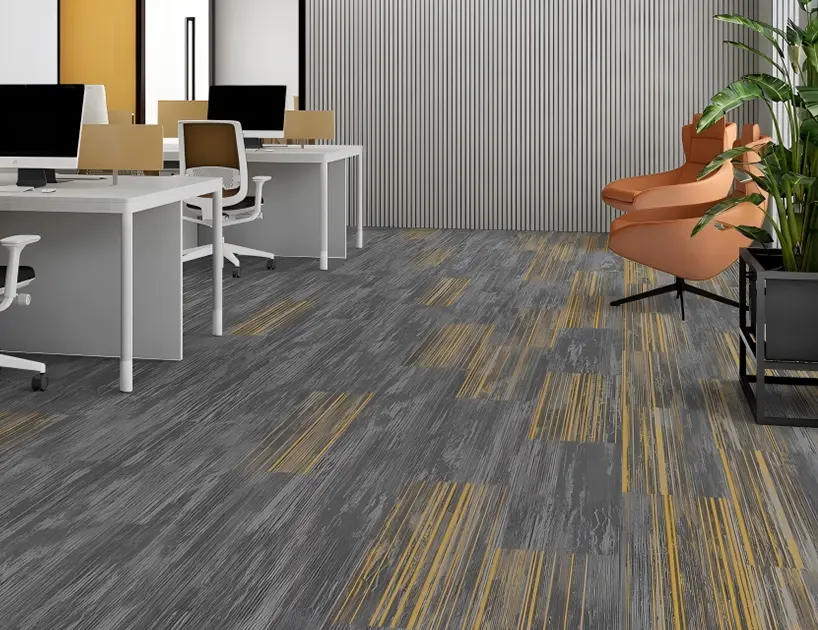
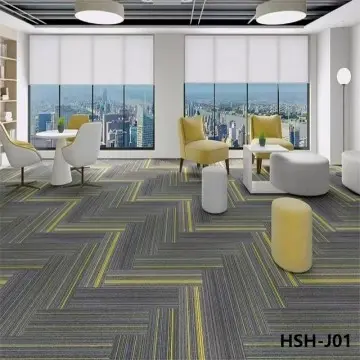
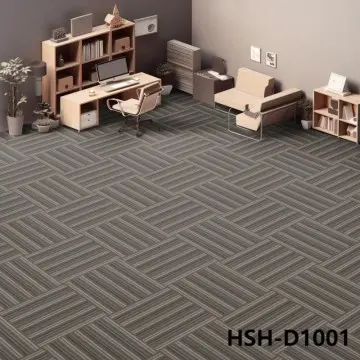
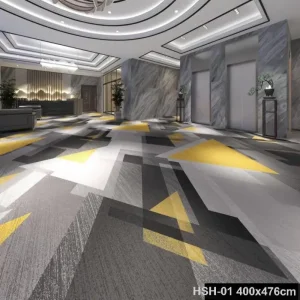
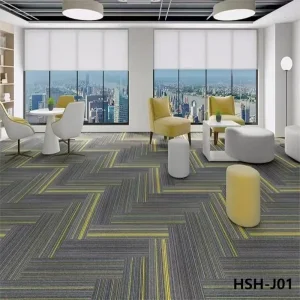
- Kirchberg Financial District: Acoustic-rich modular carpet tiles for open-plan banking offices.
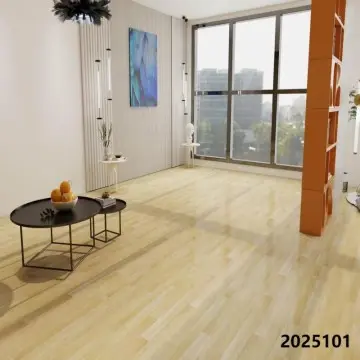
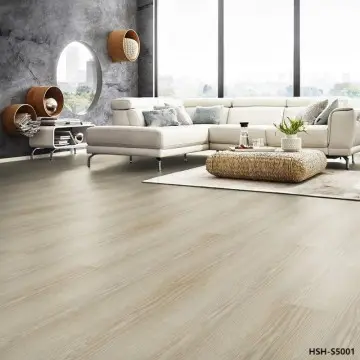
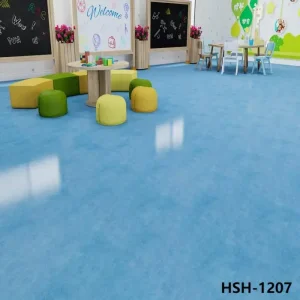
- Esch-sur-Alzette Industrial Lofts: Wood-grain PVC flooring rolls for high-durability and modern industrial aesthetics.
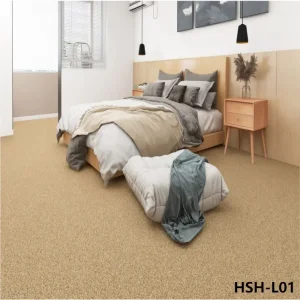
- Grund & Clausen Residential: Soft-touch HD printed carpets for luxury apartments requiring thermal insulation.
Technical Roadmap & Future Outlook (2025-2030)
The future of flooring in Luxembourg lies in Smart Surfaces. Our R&D team is currently integrating conductive fibers for static dissipation in data centers—crucial for Luxembourg’s growing server farm infrastructure. Furthermore, our PUR (Polyurethane Reinforcement) coating technology is being refined to eliminate the need for wax or polish throughout the product's lifecycle, reducing maintenance costs for facility managers by 30%.